
 ★ 6.8
BoxSweeper: films that swept the box office
Some films earn back their budget; a few earn it back a hundred times. BoxSweeper ranks 192 films by return on budget, worldwide revenue divided by budget as recorded on TMDB, in four budget classes from under $10 million to $100 million and more, from Rocky and American Graffiti to Joker and Avatar, with synopses, cast and where to watch.
The ledger
Under $10 million, ×84–×557Under $10 million: ×84 to ×557
Open the ledger line (12)★ 6.8 ★ 7.2
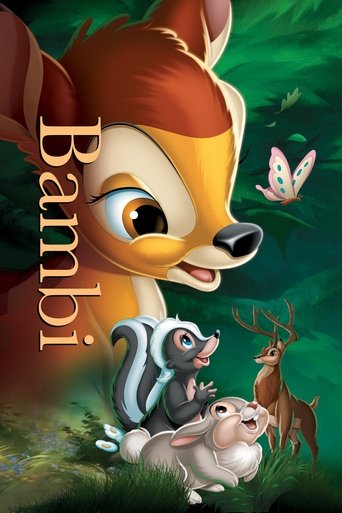 ★ 7.0
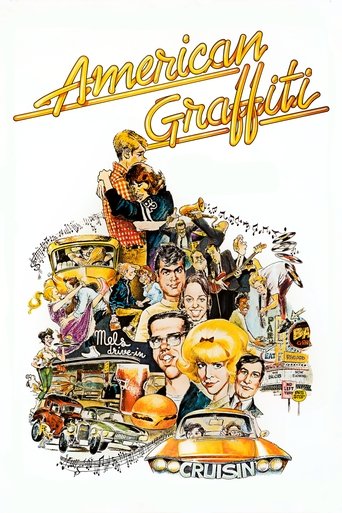 ★ 7.1
 ★ 8.0
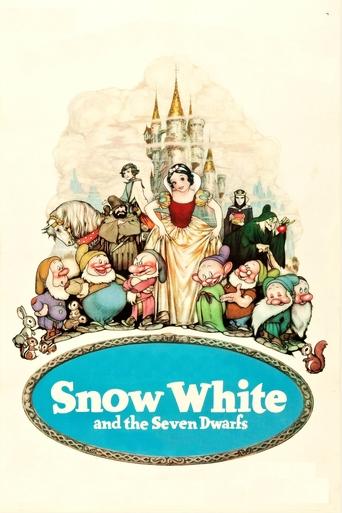 ★ 7.1
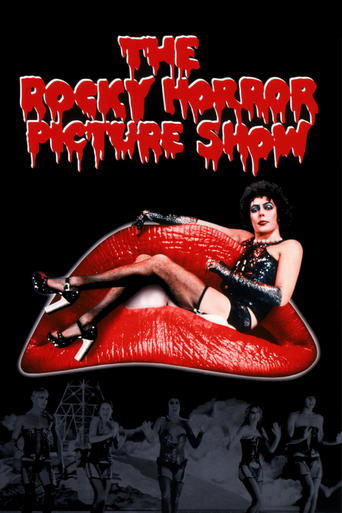 ★ 7.4
 ★ 7.8
 ★ 7.9
 ★ 7.3
 ★ 7.1
 ★ 7.2
Under $10 million, ×52–×74Under $10 million: ×52 to ×74
Open the ledger line (12)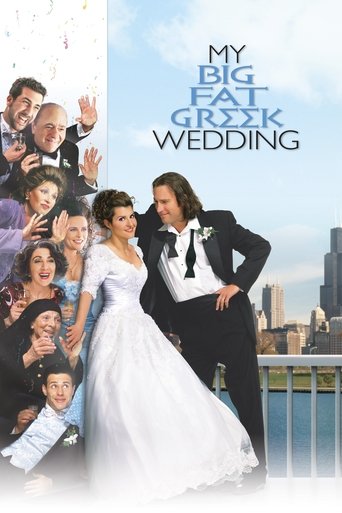 ★ 6.5
 ★ 7.0
 ★ 6.7
 ★ 7.7
 ★ 7.4
 ★ 6.5
 ★ 7.1
 ★ 6.8
 ★ 7.6
 ★ 6.8
 ★ 8.5
 ★ 6.9
Under $10 million, ×31–×48Under $10 million: ×31 to ×48
Open the ledger line (12) ★ 7.3
 ★ 7.2
 ★ 7.4
 ★ 8.7
 ★ 7.3
 ★ 6.4
 ★ 6.3
 ★ 6.6
 ★ 7.3
 ★ 7.7
 ★ 6.7
 ★ 7.1
Under $10 million, ×23–×31Under $10 million: ×23 to ×31
Open the ledger line (12) ★ 7.3
 ★ 6.4
 ★ 7.4
 ★ 7.0
 ★ 8.0
 ★ 6.5
 ★ 7.3
 ★ 8.5
 ★ 6.7
 ★ 7.2
 ★ 6.2
 ★ 7.7
$10 to $40 million, ×26–×76$10 to $40 million: ×26 to ×76
Open the ledger line (12)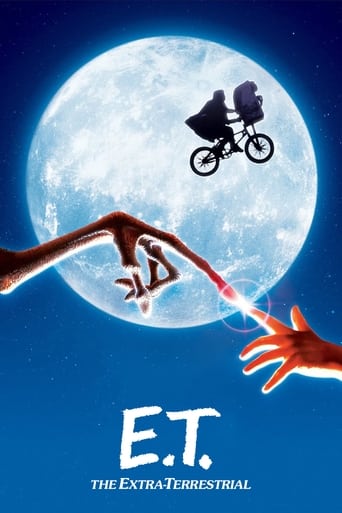 ★ 7.5
 ★ 8.2
 ★ 7.7
 ★ 7.9
 ★ 7.4
 ★ 8.3
 ★ 8.4
 ★ 7.9
 ★ 6.5
 ★ 6.7
 ★ 7.7
 ★ 7.5
$10 to $40 million, ×23–×26$10 to $40 million: ×23 to ×26
Open the ledger line (12)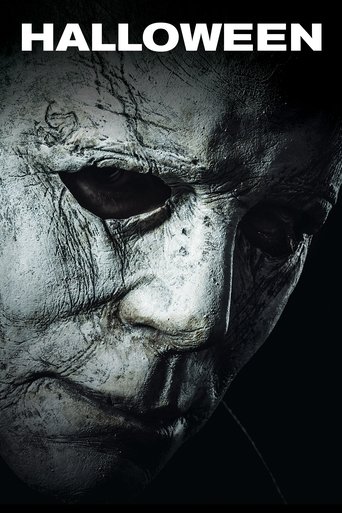 ★ 6.6
 ★ 7.7
 ★ 7.7
 ★ 7.5
 ★ 7.9
 ★ 7.1
 ★ 8.0
 ★ 6.5
 ★ 7.2
 ★ 6.8
 ★ 8.5
 ★ 7.2
$10 to $40 million, ×20–×23$10 to $40 million: ×20 to ×23
Open the ledger line (12)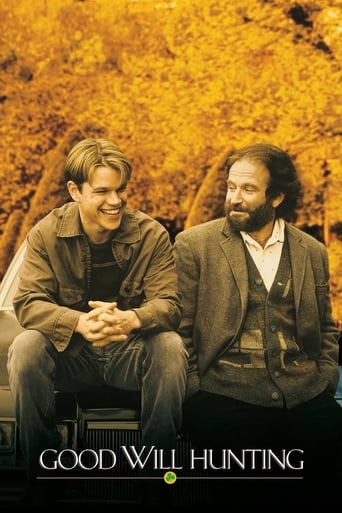 ★ 8.2
 ★ 6.7
 ★ 6.2
 ★ 7.6
 ★ 7.9
 ★ 6.7
 ★ 8.3
 ★ 7.2
 ★ 6.6
 ★ 7.5
 ★ 7.4
 ★ 6.8
$10 to $40 million, ×16–×19$10 to $40 million: ×16 to ×19
Open the ledger line (12)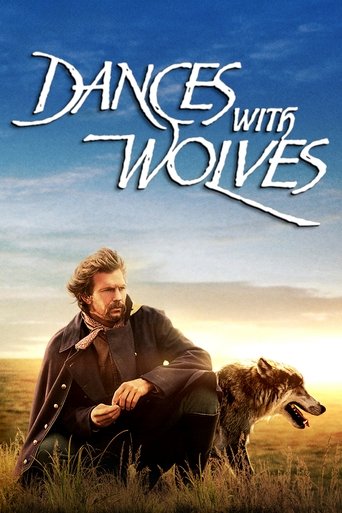 ★ 7.8
 ★ 7.7
 ★ 7.9
 ★ 7.2
 ★ 7.9
 ★ 8.0
 ★ 7.9
 ★ 6.3
 ★ 7.7
 ★ 7.9
 ★ 8.0
 ★ 6.4
$40 to $100 million, ×12–×20$40 to $100 million: ×12 to ×20
Open the ledger line (12)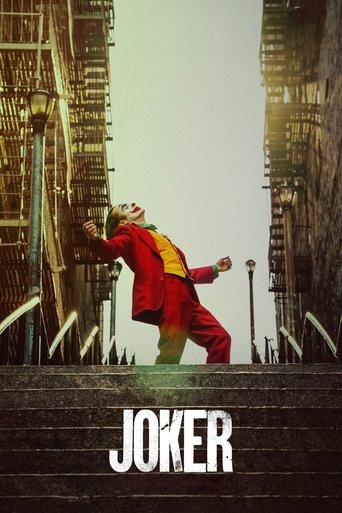 ★ 8.1
 ★ 7.9
 ★ 8.3
 ★ 8.0
 ★ 8.0
 ★ 6.4
 ★ 7.0
 ★ 7.6
 ★ 6.5
 ★ 7.0
 ★ 8.5
 ★ 8.5
$40 to $100 million, ×9.9–×12$40 to $100 million: ×9.9 to ×12
Open the ledger line (12)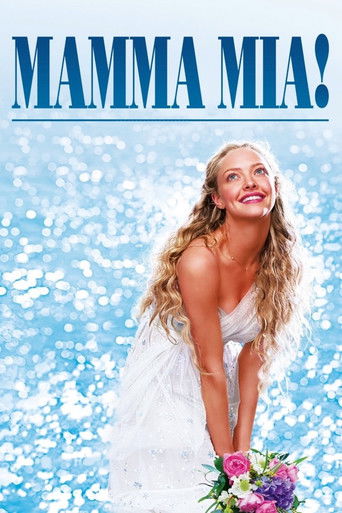 ★ 7.0
 ★ 6.5
 ★ 8.4
 ★ 6.3
 ★ 7.3
 ★ 6.8
 ★ 6.5
 ★ 6.9
 ★ 6.2
 ★ 7.8
 ★ 7.9
 ★ 6.8
$40 to $100 million, ×8.4–×9.4$40 to $100 million: ×8.4 to ×9.4
Open the ledger line (12)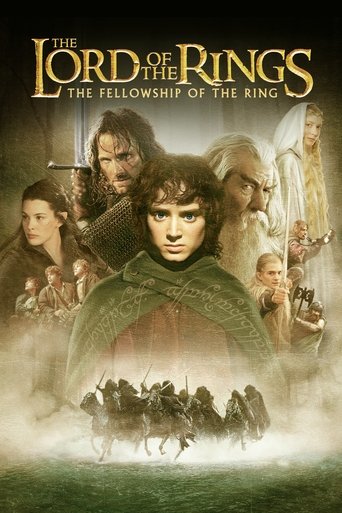 ★ 8.4
 ★ 7.2
 ★ 6.4
 ★ 7.4
 ★ 6.6
 ★ 7.3
 ★ 6.6
 ★ 7.3
 ★ 6.2
 ★ 6.6
 ★ 7.1
 ★ 7.5
$40 to $100 million, ×7.8–×8.4$40 to $100 million: ×7.8 to ×8.4
Open the ledger line (12)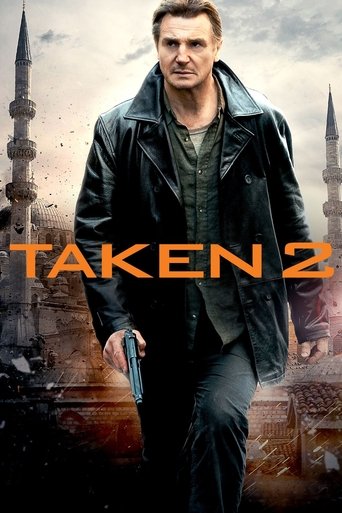 ★ 6.4
 ★ 7.8
 ★ 7.8
 ★ 7.4
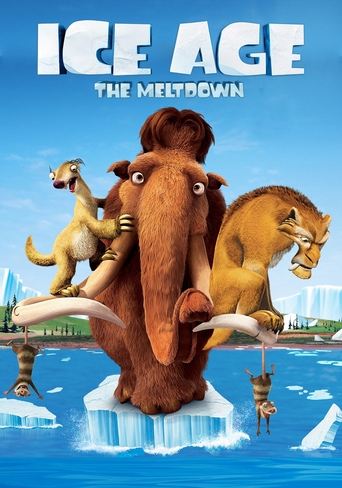 ★ 6.7
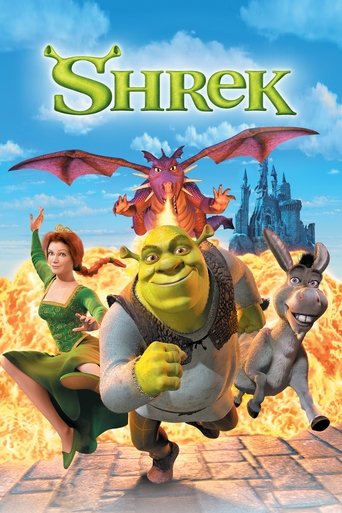 ★ 7.8
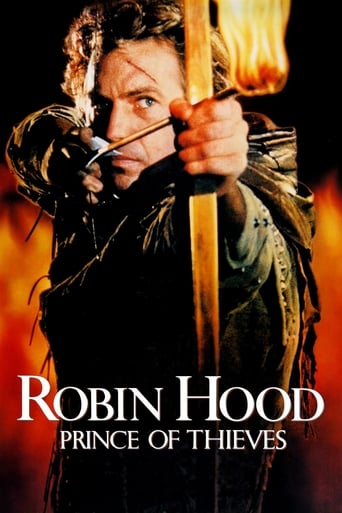 ★ 6.9
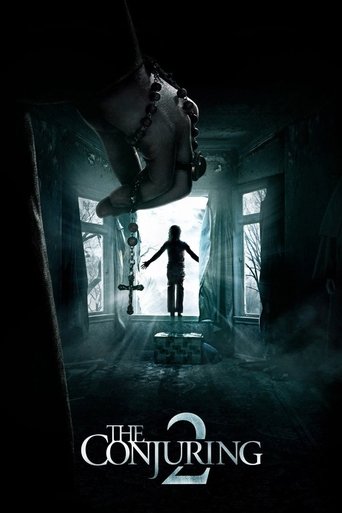 ★ 7.3
 ★ 7.2
 ★ 7.3
 ★ 7.4
 ★ 7.8
$100 million and more, ×8.8–×14$100 million and more: ×8.8 to ×14
Open the ledger line (12)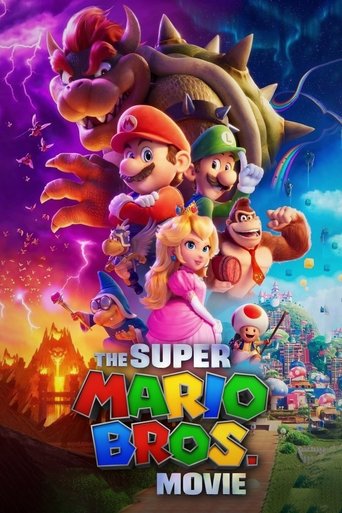 ★ 7.6
 ★ 7.6
 ★ 7.9
 ★ 6.7
 ★ 8.1
 ★ 6.9
 ★ 7.0
 ★ 7.2
 ★ 8.0
 ★ 6.6
 ★ 7.7
 ★ 8.2
$100 million and more, ×7.2–×8.5$100 million and more: ×7.2 to ×8.5
Open the ledger line (12)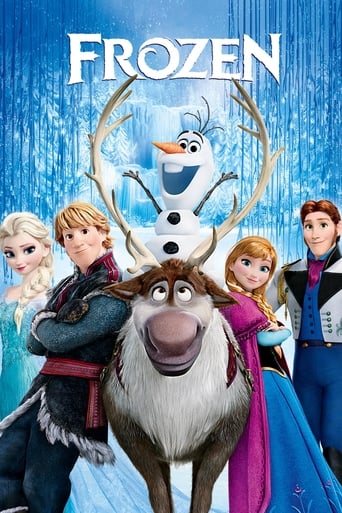 ★ 7.2
 ★ 7.5
 ★ 7.2
 ★ 8.2
 ★ 7.9
 ★ 7.2
 ★ 7.0
 ★ 6.5
 ★ 7.5
 ★ 6.8
 ★ 6.8
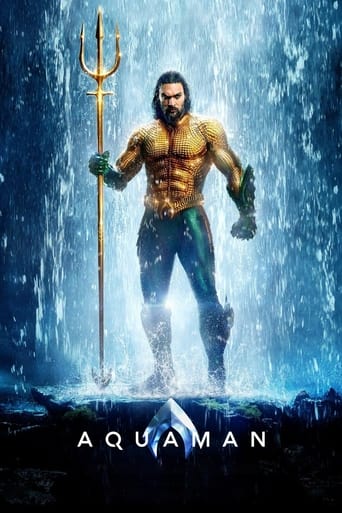 ★ 6.9
$100 million and more, ×6.7–×7.1$100 million and more: ×6.7 to ×7.1
Open the ledger line (12) ★ 7.5
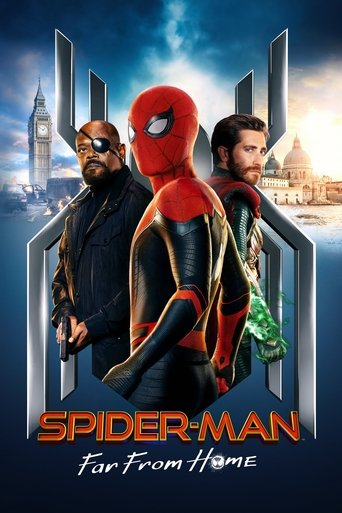 ★ 7.4
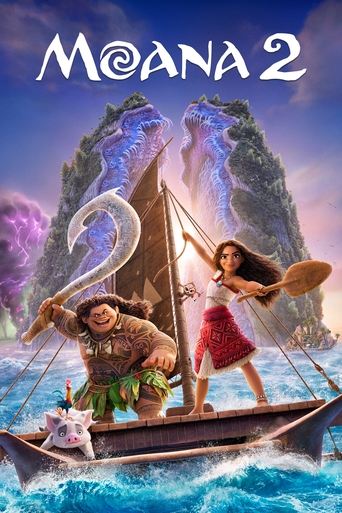 ★ 7.0
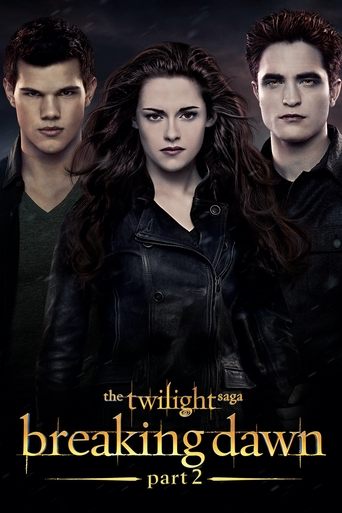 ★ 6.5
 ★ 8.3
 ★ 8.1
 ★ 7.2
 ★ 8.2
 ★ 7.8
 ★ 7.4
 ★ 7.6
 ★ 7.4
$100 million and more, ×6.0–×6.5$100 million and more: ×6.0 to ×6.5
Open the ledger line (12)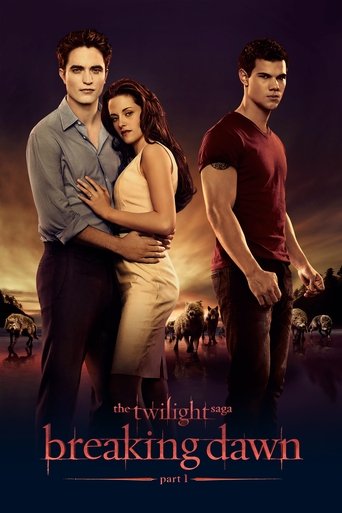 ★ 6.2
 ★ 6.9
 ★ 7.1
 ★ 7.7
 ★ 7.3
 ★ 7.5
 ★ 7.5
 ★ 6.7
 ★ 6.9
 ★ 8.0
 ★ 6.8
 ★ 7.3
The BoxSweeper guide
BoxSweeper: films that swept the box office
The sums behind the hits
Every film is a bet. A studio spends money on actors, sets, cameras and effects, and hopes the audience will pay it back. Most films earn back their budget; a few earn it back ten times; a handful earn it back a hundred times. BoxSweeper is a guide to those clean sweeps. It gathers 192 films, from Snow White and the Seven Dwarfs, of 1938, to Inside Out 2 and Deadpool & Wolverine, of 2024, and ranks them by one simple sum: worldwide revenue divided by budget.
The films are split into four budget classes, because a film made for $1 million and a film made for $200 million play different games. Under $10 million holds the small films that became giants. $10 to $40 million holds the modest hits that became classics. $40 to $100 million holds the mid-budget hits, and $100 million and more holds the blockbusters that made back their huge budgets several times over.
In each class the 48 films with the highest multiple are cut into four ledger lines of twelve, from the biggest multiple down. Every card shows the multiple and the budget, so you can read the story of each film at a glance: Rocky, made for $1 million, earned about 117 times its budget; Avatar, made for $237 million, earned about 12 times.
How the sums work
BoxSweeper uses two numbers that TMDB, the open film database, records for each film: its budget and its worldwide revenue. The multiple on each card is revenue divided by budget. A film made for $10 million that took $100 million worldwide has a multiple of ×10.
These figures are entered by the users of TMDB and are approximate. Budgets are often estimates, and the money spent on marketing, which can be as large as the budget itself, is left out. For old films the revenue usually adds up the first release and later re-releases, which is why the Disney cartoons of the 1930s, 1940s and 1950s rank so high. A multiple here is a way to compare films; how much any studio actually kept is a different question.
To be counted, a film needs a recorded budget of at least $100,000, revenue of at least twice its budget and a rating of 6.0 or more from at least 150 voters on TMDB. Documentaries are left to other guides, and films released after 2024 are left out because their runs are still going. Of the 1,583 big earners checked, 192 made the cut.
The look of BoxSweeper
The only pages the Wayback Machine holds at boxsweeper.com and boxsweeper.net are placeholders of less than a kilobyte, so the design of BoxSweeper starts from scratch, from the name: a sweep of the box office, read like an accounts book.
The page is cream ledger paper. The header is bottle green with a gold double rule along its lower edge, like the spine of an old account book, and the logo is a small ticket booth with ×100 on its window. Headings are set in Georgia, while figures and the names of the ledger lines are typed in Courier, as on a cash register receipt.
The sixteen ledger lines sit in a table of four columns, one for each budget class, with thin green rules between the rows. The multiples of each line are written in red ink. Each shelf of posters is a ledger page with faint ruled lines and a double rule under its heading, and the label on each poster shows the multiple and the budget, in red on cream.
1. Under $10 million: ×84 to ×557
The first ledger line holds the biggest multiples of the guide. Twelve films from 1938 to 2018, each of which earned between 84 and 557 times its recorded budget. At the top stand two films from China and India: Mr. Six, 2015, a Beijing crime drama recorded at $250,000 and $139 million, about ×557, and Secret Superstar, 2017, the story of a girl who becomes a singing star on the internet, about ×480. Both budgets look very low for films of their size, and TMDB figures for them should be taken as rough.
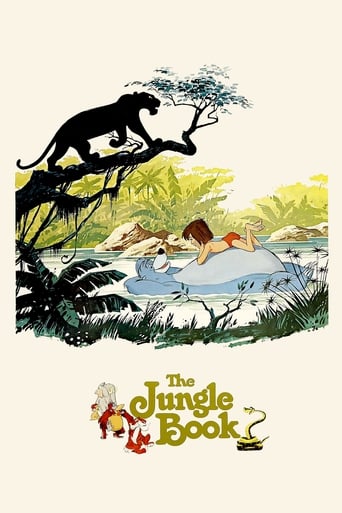
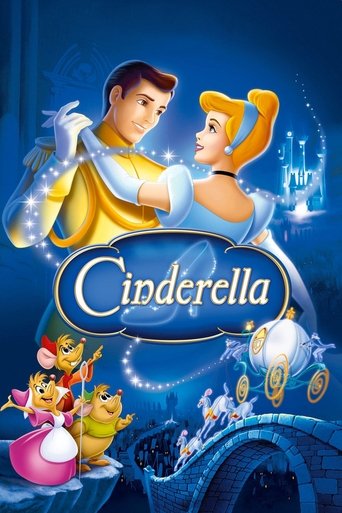
Five films of the line are Disney cartoons, whose revenue includes many re-releases: Bambi, 1942, about ×312, Snow White and the Seven Dwarfs, 1938, the oldest film of the guide, about ×124, The Jungle Book, 1967, Cinderella, 1950, and One Hundred and One Dalmatians, 1961. The Japanese Dragon Ball Super: Broly, 2018, rated 8.0, earned about 125 times its $1 million budget.
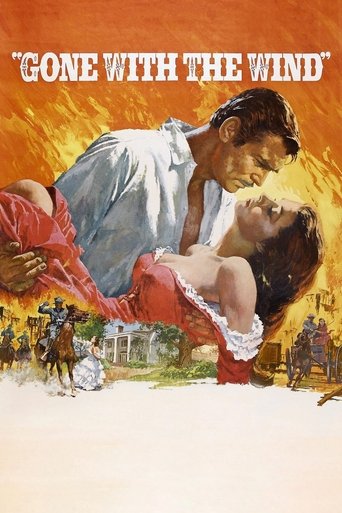
The live-action classics of the line are George Lucas's American Graffiti, 1973, made for $777,000, The Rocky Horror Picture Show, 1975, Rocky, 1976, made for $1 million and rated 7.8, and Gone with the Wind, 1939, made for $4 million, which took $402 million and earned about 101 times its budget.
2. Under $10 million: ×52 to ×74
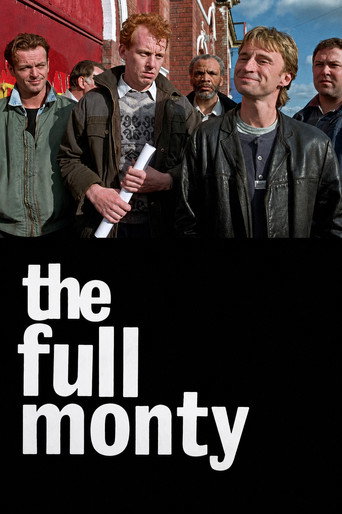
The second line of the cheapest class holds twelve films from 1940 to 2017, each of which earned between 52 and 74 times its budget. At the top stand two comedies: My Big Fat Greek Wedding, 2002, made for $5 million, which took $369 million, and The Full Monty, 1997, made for $3.5 million in the north of England, both about ×74.
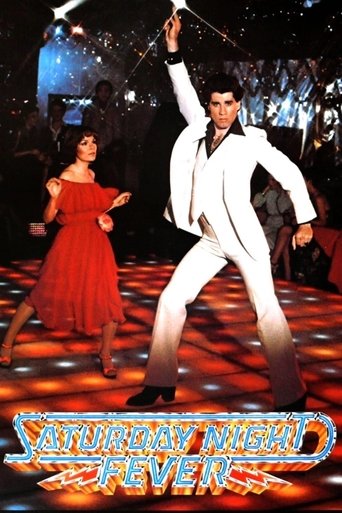
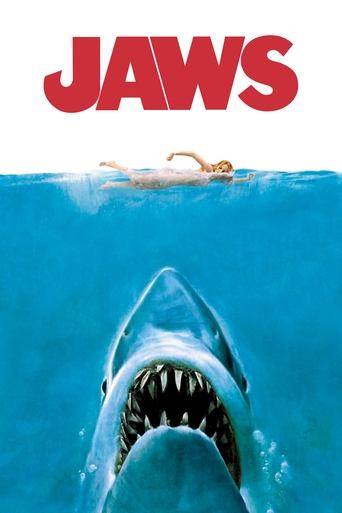
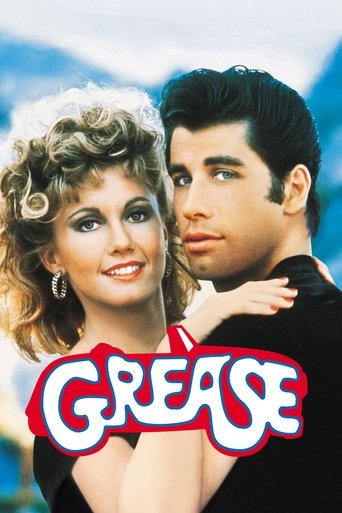
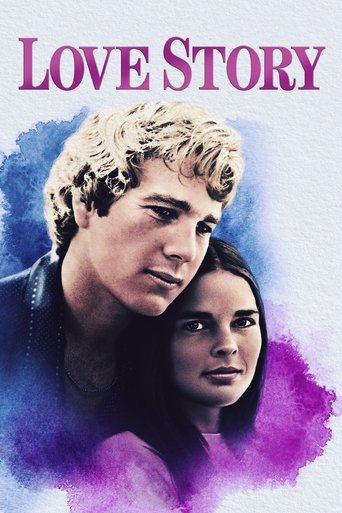
The 1970s fill the middle of the line. Saturday Night Fever, 1977, about ×68, Jaws, 1975, Steven Spielberg's shark film, made for $7 million and rated 7.7, Grease, 1978, about ×66, Love Story, 1970, and Animal House, 1978, all sit here. So does Crocodile Dundee, 1986, the Australian comedy, about ×66.
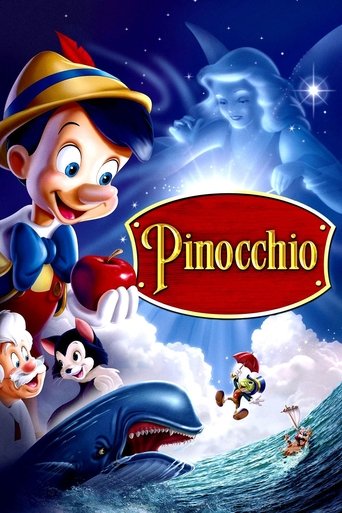
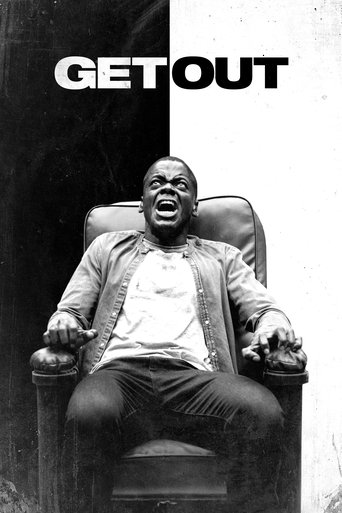
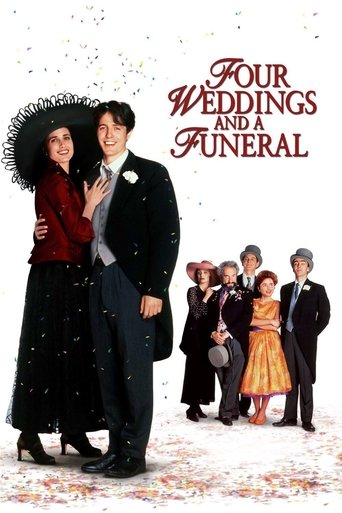
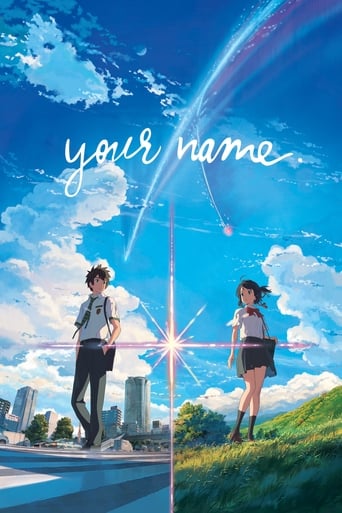
The best rated film of the line is the Japanese anime Your Name., 2016, by Makoto Shinkai, rated 8.5, made for $7.5 million, which took $407 million. Jordan Peele's Get Out, 2017, a horror film made for $4.5 million, earned about 57 times its budget, and Four Weddings and a Funeral, 1994, about 56 times. Disney's Pinocchio, 1940, is the oldest film here.
3. Under $10 million: ×31 to ×48
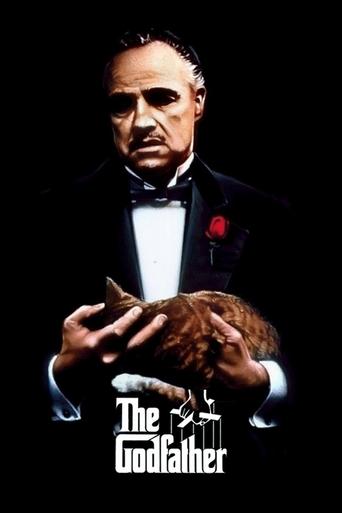
The third line of the cheapest class holds twelve films from 1964 to 2013, each of which earned between 31 and 48 times its budget. It holds the best rated film of the whole guide: The Godfather, 1972, rated 8.7, made for $6 million, which took $245 million, about ×41.
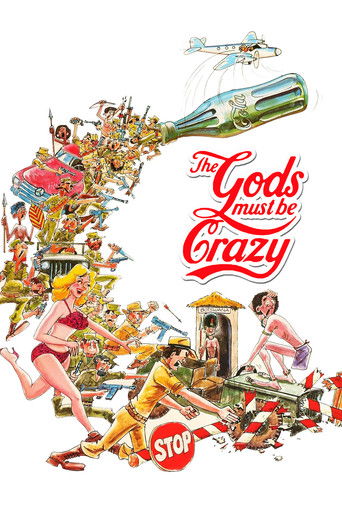
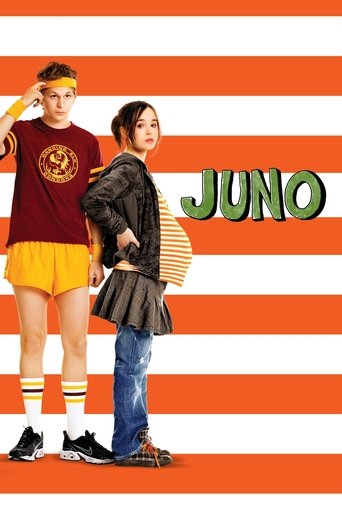
Comedy is the strongest genre here. Mel Brooks' Blazing Saddles, 1974, about ×46, The Gods Must Be Crazy, 1980, from South Africa, Look Who's Talking, 1989, and Juno, 2007, all earned about 31 to 46 times their budget. Disney's The Aristocats, 1970, about ×48, leads the line.
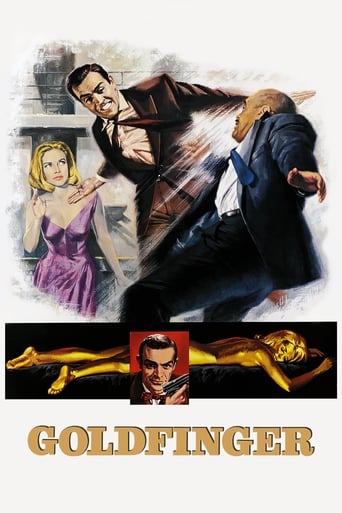
The oldest film of the line is the James Bond film Goldfinger, 1964, made for $3 million, about ×42. The Sound of Music, 1965, made for $8.2 million, took $286 million. Two horror sequels show how cheap horror can pay: Saw II, 2005, made for $4 million, and Insidious: Chapter 2, 2013, made for $5 million, each earned more than 30 times its budget. Dirty Dancing, 1987, completes the line at about ×36.
4. Under $10 million: ×23 to ×31
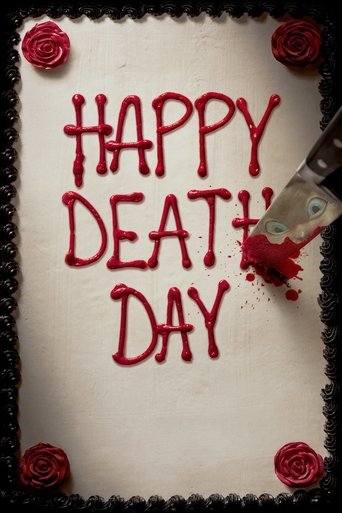
The last line of the cheapest class holds twelve films from 1973 to 2017, each of which earned between 23 and 31 times its budget. It opens with two modern horror films: M. Night Shyamalan's Split, 2017, made for $9 million, which took $278 million, and Lights Out, 2016, made for $4.9 million. Christopher Landon's Happy Death Day, 2017, a horror comedy, is also here.
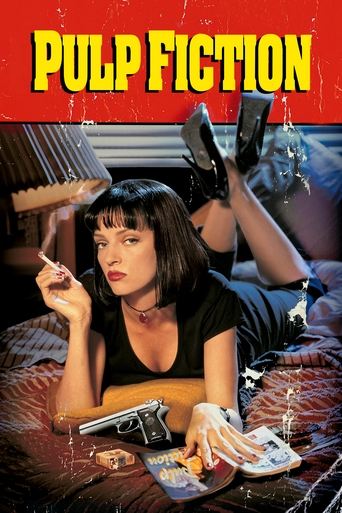
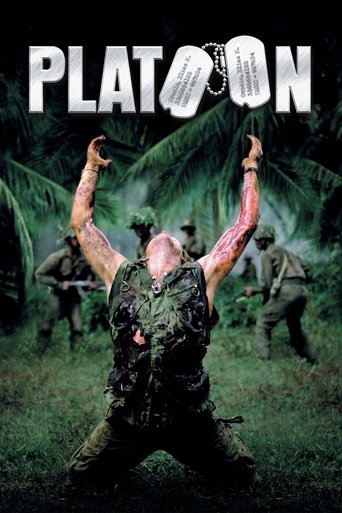
The two best rated films of the line are Quentin Tarantino's Pulp Fiction, 1994, rated 8.5, made for $8 million, and George Roy Hill's The Sting, 1973, rated 8.0, the oldest film of the line. Platoon, 1986, Oliver Stone's Vietnam film, rated 7.7, earned about 23 times its $6 million budget.
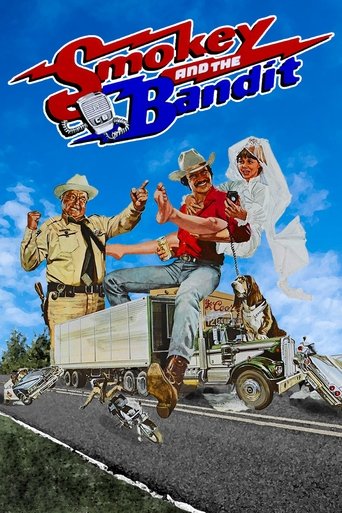
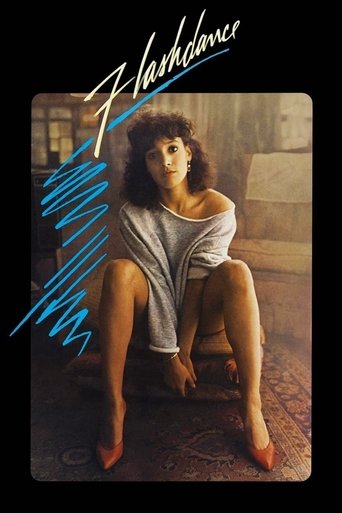
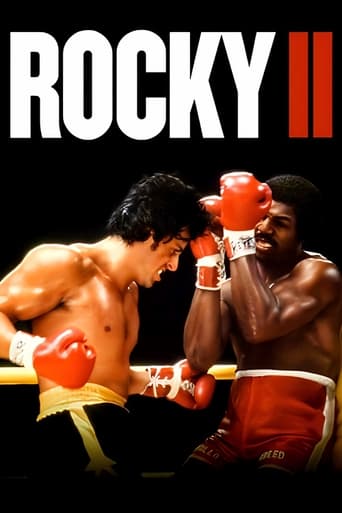
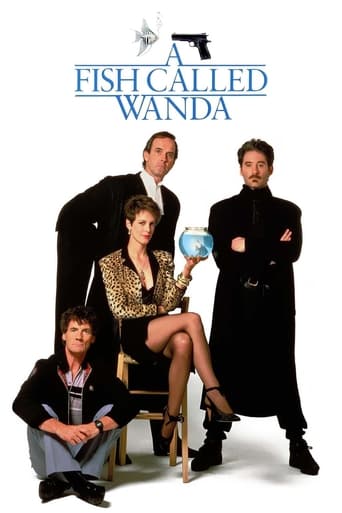
Sofia Coppola's Lost in Translation, 2003, made in Tokyo for $4 million, earned about 30 times its budget. Rocky II, 1979, directed by Sylvester Stallone himself, joins the first Rocky in this class. Smokey and the Bandit, Flashdance, A Fish Called Wanda and Steven Soderbergh's Magic Mike complete the line.
5. $10 to $40 million: ×26 to ×76
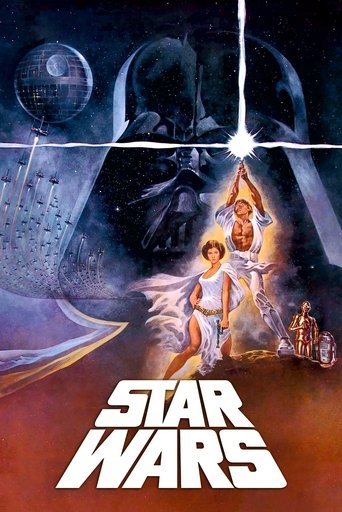
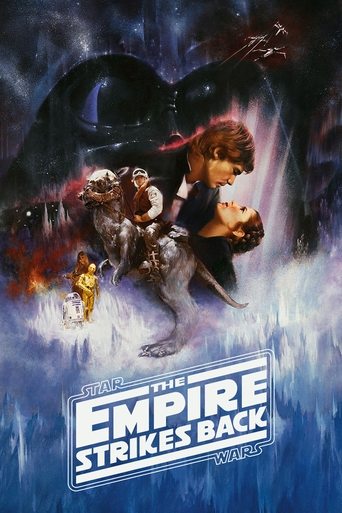
The first line of the second class holds the classics of the late 1970s and 1980s. Twelve films from 1973 to 2021, each of which earned between 26 and 76 times its budget, with an average rating of 7.64. At the top stands Steven Spielberg's E.T. the Extra-Terrestrial, 1982, made for $10.5 million, which took $797 million, about ×76. Next comes George Lucas's Star Wars, 1977, made for $11 million, about ×70, and The Empire Strikes Back, 1980, rated 8.4.
Three films from China and India sit in the line: the Chinese animated Ne Zha, 2019, which took $743 million, the Indian wrestling drama Dangal, 2016, and the Chinese action film Wolf Warrior 2, 2017, which took $870 million on a $30 million budget. The French The Intouchables, 2011, rated 8.3, earned about 33 times its budget.
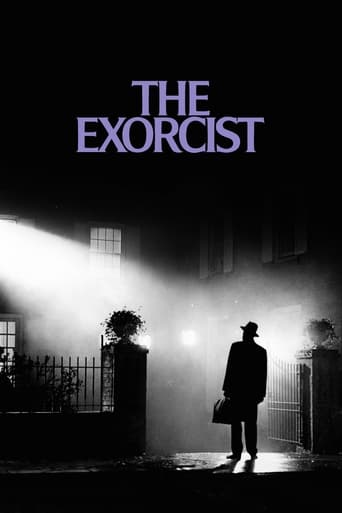
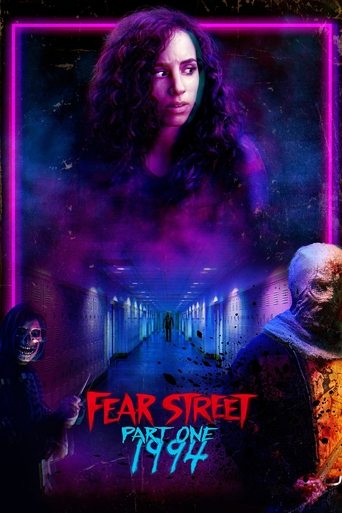
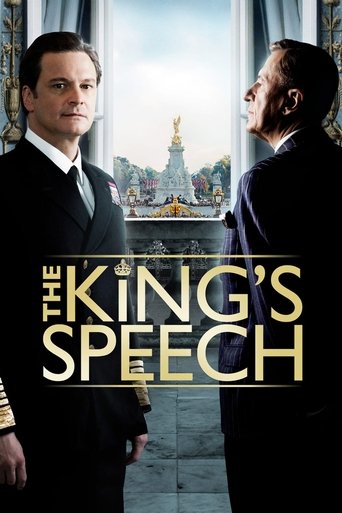
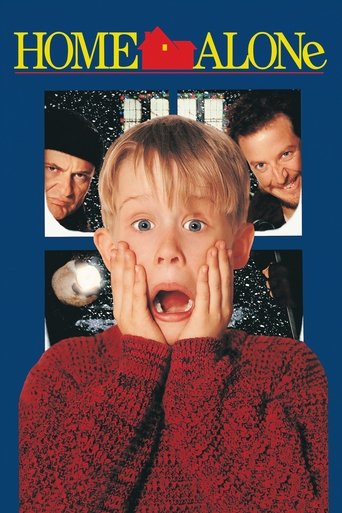
The rest of the line is a list of crowd-pleasers. The Exorcist, 1973, the oldest film here, earned about 39 times its budget. Pretty Woman, 1990, about ×33, Home Alone, 1990, about ×26, and The King's Speech, 2010, about ×28, follow. Fear Street: 1994, 2021, the newest film of the line, completes it.
6. $10 to $40 million: ×23 to ×26
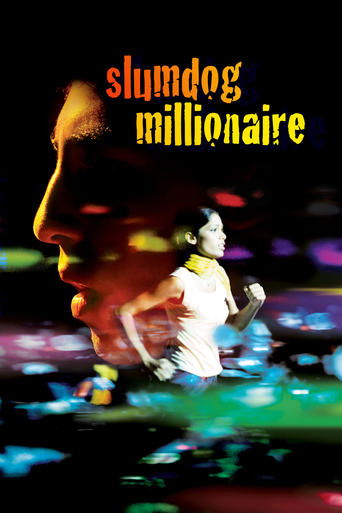
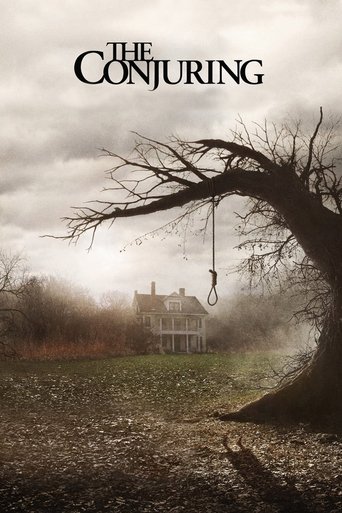
The second line of the class holds twelve films from 1984 to 2022, each of which earned between 23 and 26 times its budget. It is a line of thrillers, romances and horror films. David Gordon Green's Halloween, 2018, made for $10 million, leads at about ×26, followed by Darren Aronofsky's Black Swan, 2010, Danny Boyle's Slumdog Millionaire, 2008, and James Wan's The Conjuring, 2013, all at about ×25.
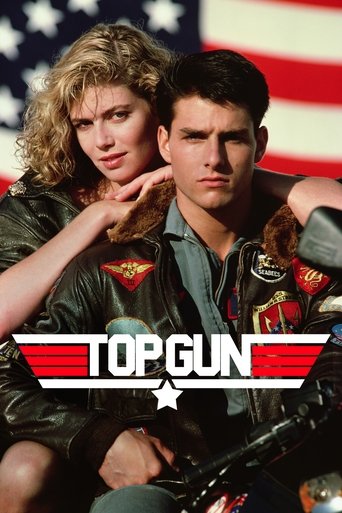
The best rated film of the line is Bong Joon Ho's Parasite, 2019, rated 8.5, the only Korean film of the guide, made for $11 million. Sam Mendes' American Beauty, 1999, rated 8.0, earned about 24 times its budget, and so did Tony Scott's Top Gun, 1986. Makoto Shinkai's anime Suzume, 2022, the newest film of the line, earned about 24 times as well.
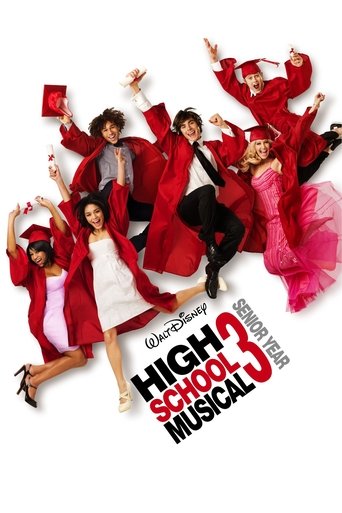
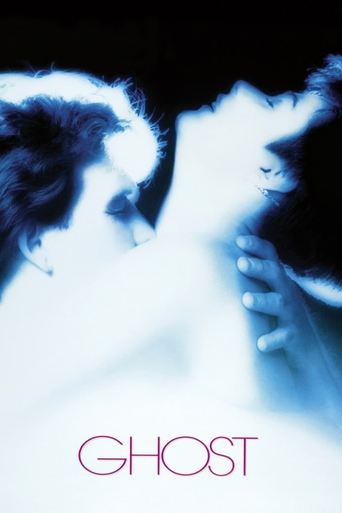
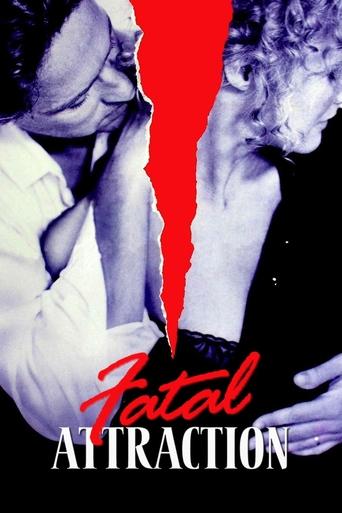
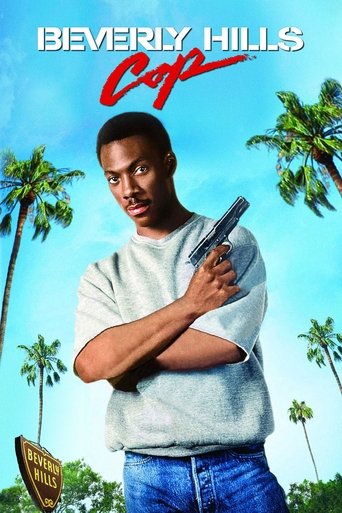
The romances of the line are Ghost, 1990, made for $22 million, which took $505 million, and Adrian Lyne's thriller Fatal Attraction, 1987. Beverly Hills Cop, 1984, the oldest film here, and High School Musical 3: Senior Year, 2008, complete the line.
7. $10 to $40 million: ×20 to ×23
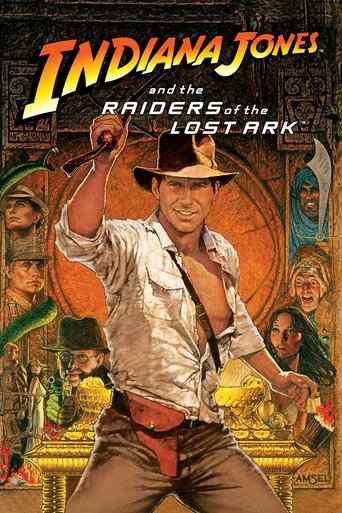
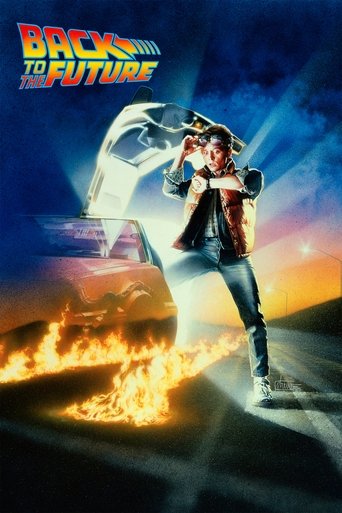
The third line of the second class holds twelve films from 1981 to 2018, each of which earned between 20 and 23 times its budget. Two of the best rated films of the guide are here: Robert Zemeckis' Back to the Future, 1985, rated 8.3, made for $19 million, and Gus Van Sant's Good Will Hunting, 1997, rated 8.2, made for $10 million. Steven Spielberg's Raiders of the Lost Ark, 1981, the oldest film of the line, earned about 22 times its $18 million budget.
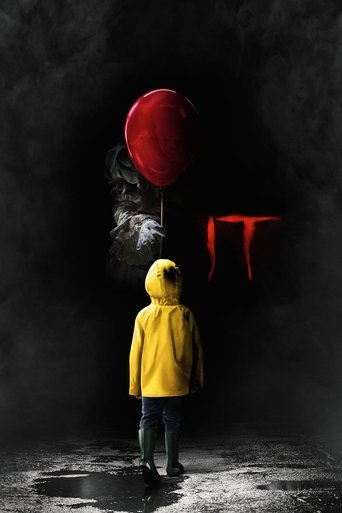
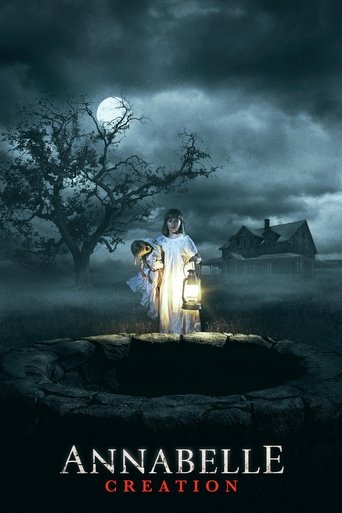
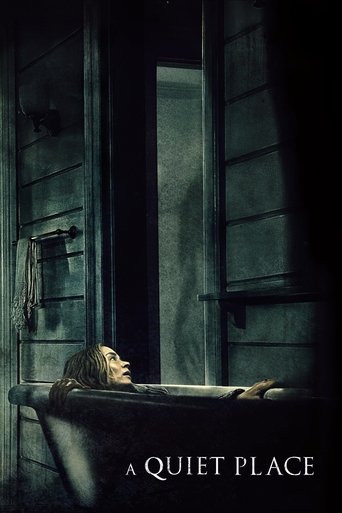
Horror is strong again. Andy Muschietti's It, 2017, made for $35 million, took $720 million, Annabelle: Creation, 2017, and John Krasinski's A Quiet Place, 2018, the newest film of the line, each earned about 20 times their budget. Mel Gibson's The Passion of the Christ, 2004, made for $30 million, took $610 million.
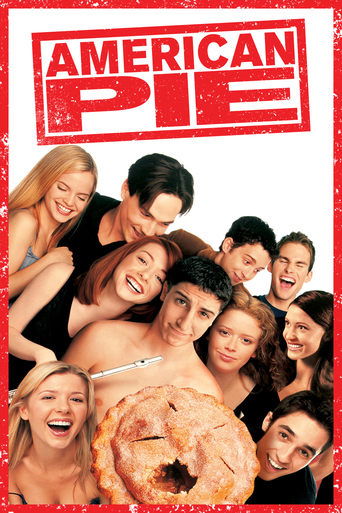
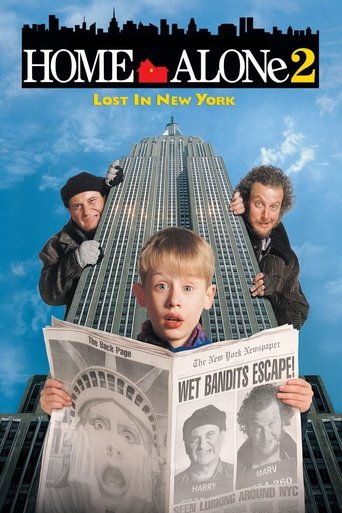
Comedy and romance fill the rest of the line: 3 Men and a Baby, 1987, American Pie, 1999, The Fault in Our Stars, 2014, the French comedy Welcome to the Sticks, 2008, and Chris Columbus's Home Alone 2: Lost in New York, 1992, the sequel that followed Home Alone into the same class.
8. $10 to $40 million: ×16 to ×19
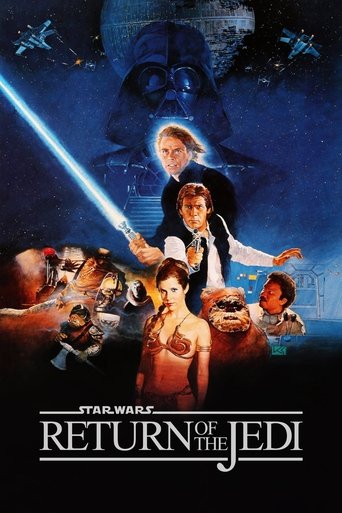
The last line of the second class holds twelve films from 1983 to 2023, each of which earned between 16 and 19 times its budget, with an average rating of 7.56. Kevin Costner's Dances with Wolves, 1990, made for $22 million, leads at about ×19. Return of the Jedi, 1983, the oldest film of the line, completes the first Star Wars trilogy in this class.
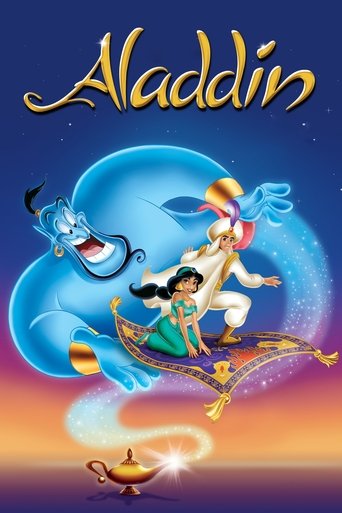
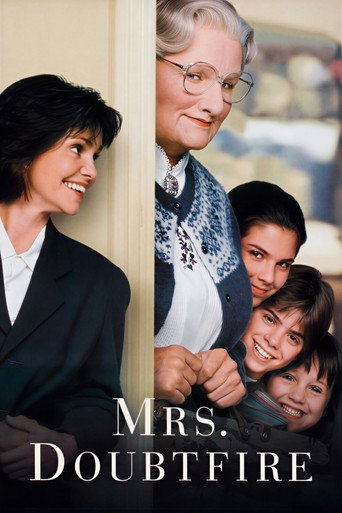
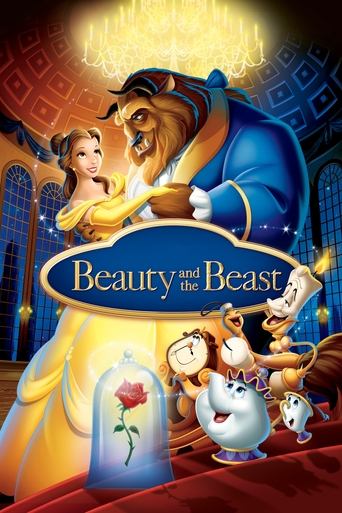
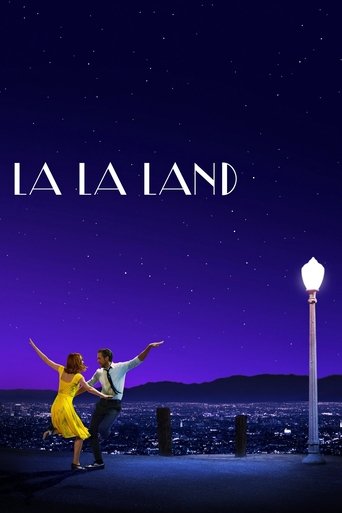
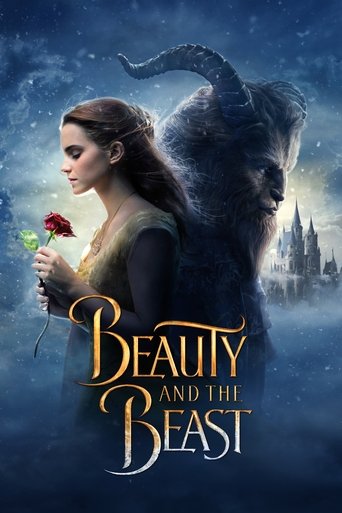
Two Disney cartoons of the early 1990s sit here: Aladdin, 1992, made for $28 million, which took $504 million, and Beauty and the Beast of 1991, made for $25 million. Damien Chazelle's La La Land, 2016, made for $30 million, took $509 million, and Mrs. Doubtfire, 1993, earned about 18 times its budget.
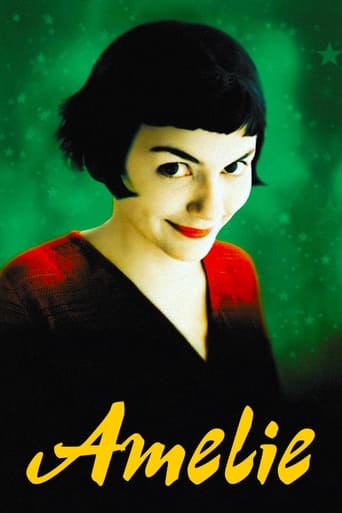
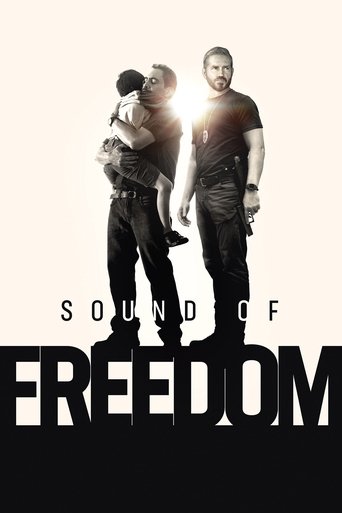
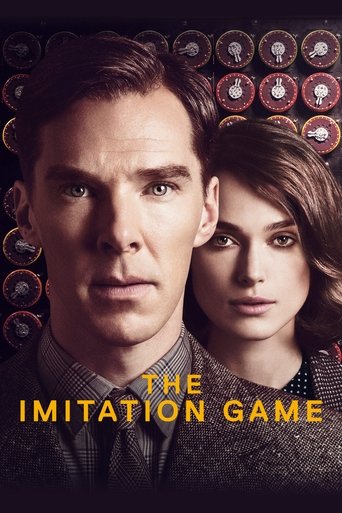
Two films are rated 8.0: Makoto Shinkai's Weathering with You, 2019, and Morten Tyldum's The Imitation Game, 2014. The French Amélie, 2001, made for $10 million, earned about 17 times its budget. Sound of Freedom, 2023, the newest film of the line, and two horror sequels, Insidious: The Last Key and Saw III, complete it.
9. $40 to $100 million: ×12 to ×20
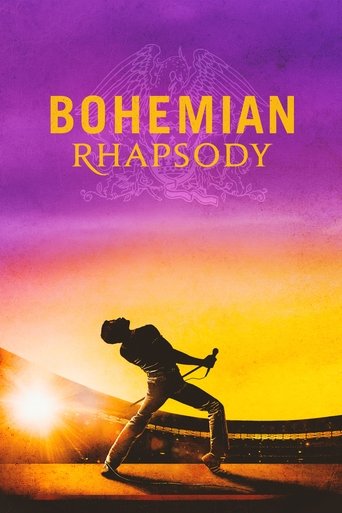
The third class opens with its strongest line: twelve films from 1993 to 2021, each of which earned between 12 and 20 times its budget, average rating 7.64, with six films rated 8.0 or more. At the top stands Todd Phillips' Joker, 2019, made for $55 million, which took $1.08 billion, about ×20. Next comes Bohemian Rhapsody, 2018, made for $52 million, which took $911 million.
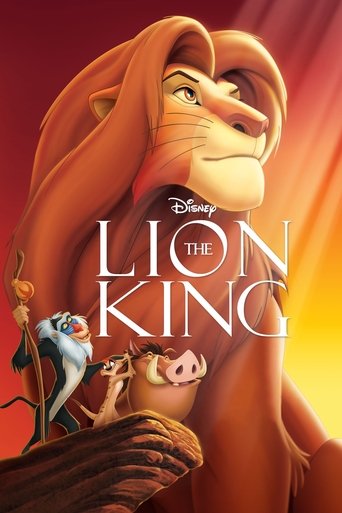
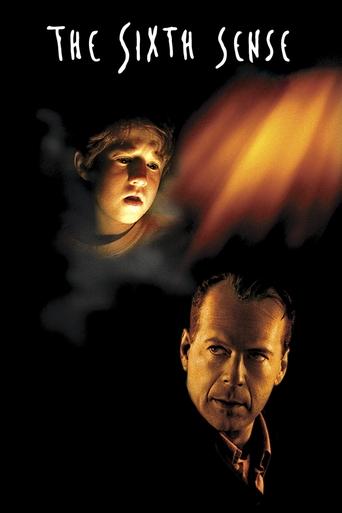
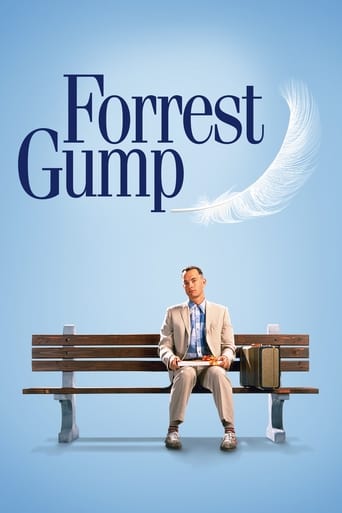
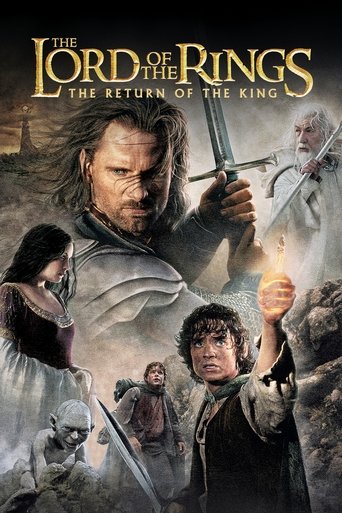
Disney's The Lion King of 1994, rated 8.3, earned about 17 times its $45 million budget, as did M. Night Shyamalan's The Sixth Sense, 1999, and Steven Spielberg's Jurassic Park, 1993, the oldest film of the line, which took $1.06 billion. Robert Zemeckis' Forrest Gump, 1994, rated 8.5, and Peter Jackson's The Lord of the Rings: The Return of the King, 2003, rated 8.5, each earned about 12 times their budget.
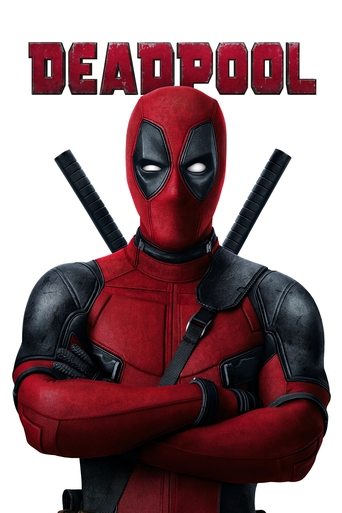
Three films of the Despicable Me family sit here: Minions, 2015, which took $1.16 billion, Despicable Me 2 and Despicable Me 3. Tim Miller's Deadpool, 2016, made for $58 million, took $783 million. The Chinese comedy Hi, Mom, 2021, the newest film of the line, took $822 million.
10. $40 to $100 million: ×9.9 to ×12
The second line of the third class holds twelve films from 1989 to 2022, each of which earned between 9.9 and 12 times its budget. It is a line of family films and big crowd-pleasers. Mamma Mia!, 2008, made for $52 million, took $610 million, and Luc Besson's Lucy, 2014, made for $40 million, took $469 million, both about ×12.
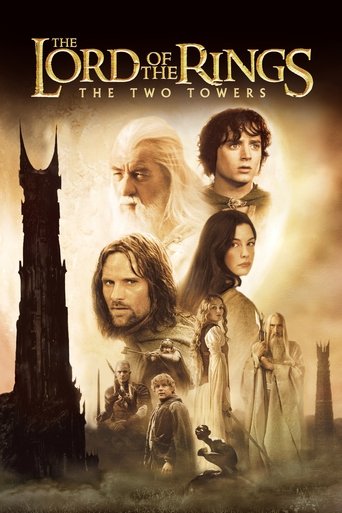
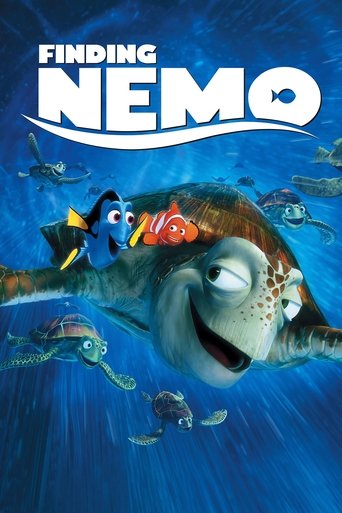
The best rated film of the line is Peter Jackson's The Lord of the Rings: The Two Towers, 2002, rated 8.4, made for $79 million. Pixar's Finding Nemo, 2003, rated 7.8, took $940 million, and Steven Spielberg's Indiana Jones and the Last Crusade, 1989, the oldest film here, earned about ten times its budget.
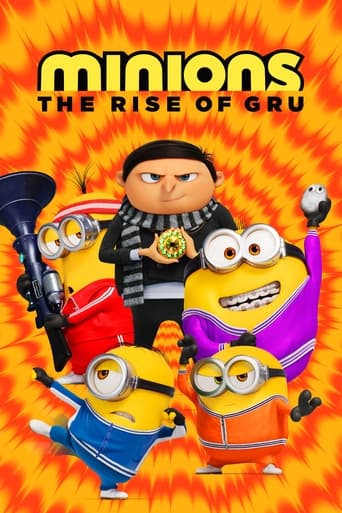
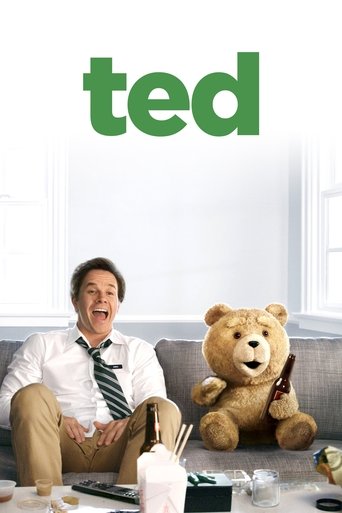
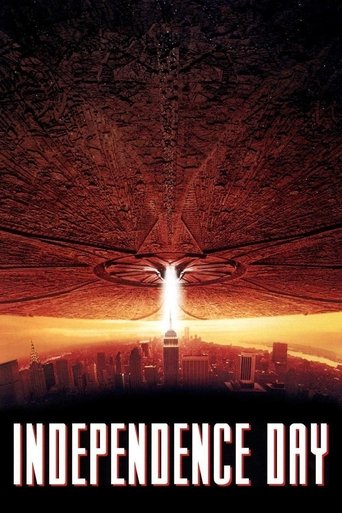
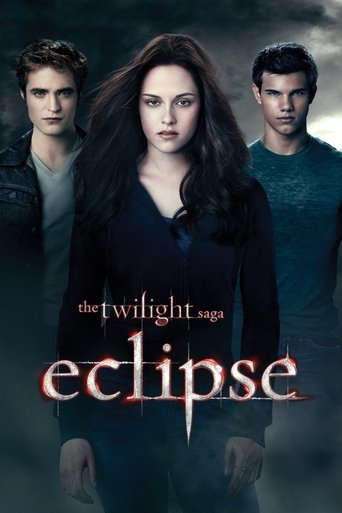
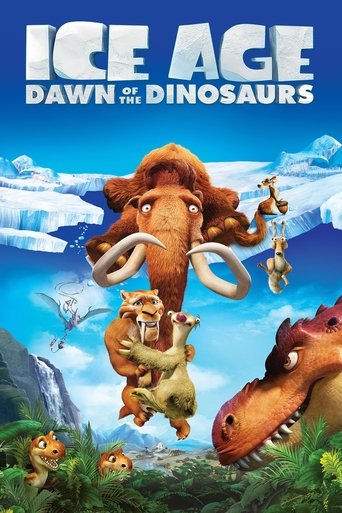
Animation fills much of the line: The Secret Life of Pets, 2016, Minions: The Rise of Gru, 2022, the newest film of the line, and Ice Age: Dawn of the Dinosaurs, 2009. With them stand Jumanji: Welcome to the Jungle, 2017, which took $995 million, Roland Emmerich's Independence Day, 1996, Ted, 2012, and The Twilight Saga: Eclipse, 2010.
11. $40 to $100 million: ×8.4 to ×9.4
The third line of the class holds twelve films from 1993 to 2023, each of which earned between 8.4 and 9.4 times its budget. It opens with Peter Jackson's The Lord of the Rings: The Fellowship of the Ring, 2001, rated 8.4, made for $93 million, which took $871 million. With The Two Towers and The Return of the King, all three Lord of the Rings films sit in this class.
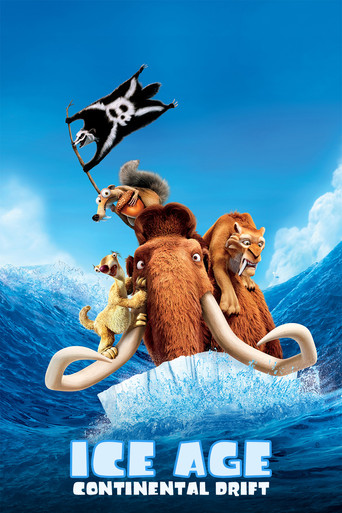
Three Chinese films are here: Stephen Chow's The Mermaid, 2016, The Wandering Earth II, 2023, the newest film of the line, and Detective Chinatown 2, 2018. With them stand The Hunger Games, 2012, Ice Age: Continental Drift, 2012, Clint Eastwood's American Sniper, 2014, and the 2010 The Karate Kid.
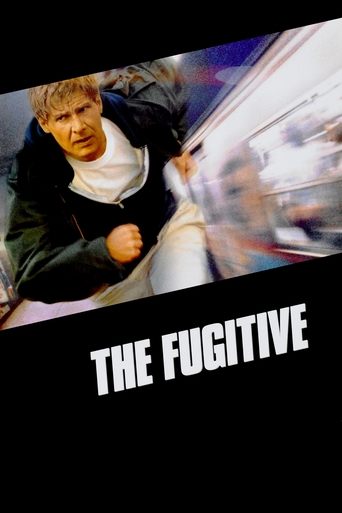
The oldest and best rated film of the line after The Fellowship of the Ring is Andrew Davis's The Fugitive, 1993, rated 7.5. Notting Hill, 1999, The Lost World: Jurassic Park, 1997, and the animated Sing, 2016, complete the line.
12. $40 to $100 million: ×7.8 to ×8.4
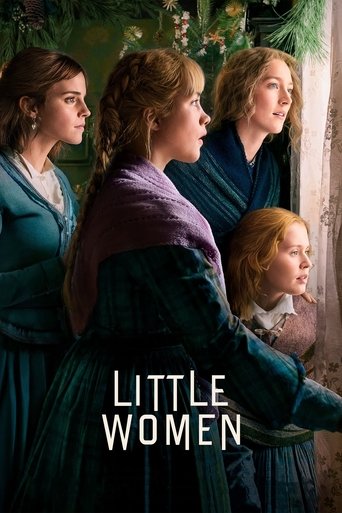
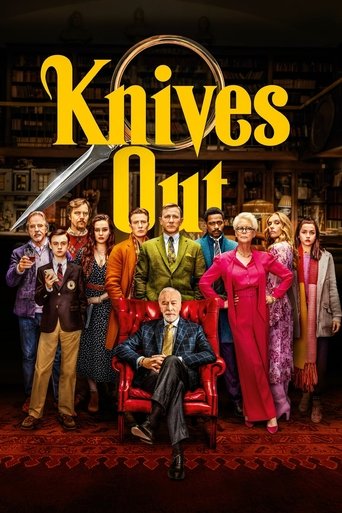
The last line of the third class holds twelve films from 1989 to 2019, each of which earned between 7.8 and 8.4 times its budget. Taken 2, 2012, leads at about ×8.4. Four films of the line share the best rating, 7.8: Robert Zemeckis' Back to the Future Part II, 1989, the oldest film here, Greta Gerwig's Little Women, 2019, Rian Johnson's Knives Out, 2019, and Shrek.
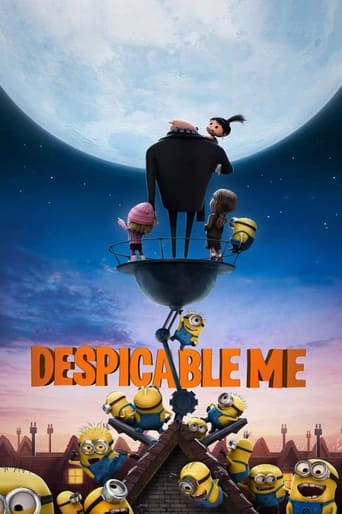
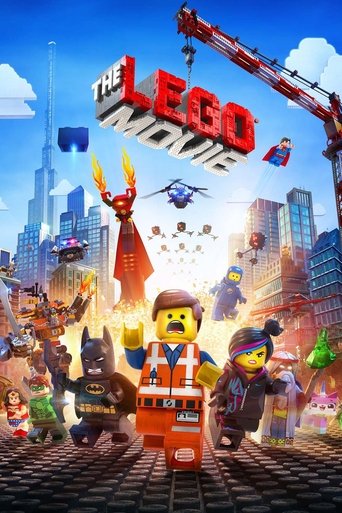
Animation fills a third of the line: Shrek, 2001, made for $60 million, which took $490 million, Despicable Me, 2010, The Lego Movie, 2014, and Ice Age: The Meltdown, 2006. The Chinese war film Operation Red Sea, 2018, took $579 million.
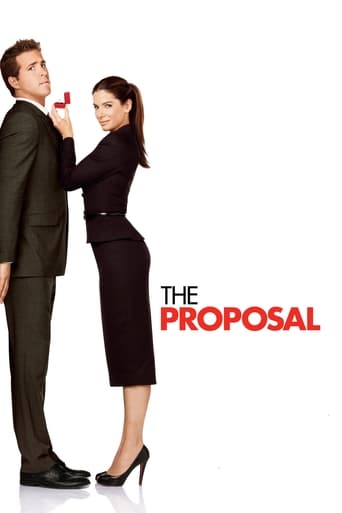
The rest of the line is mixed: James Wan's The Conjuring 2, 2016, Robin Hood: Prince of Thieves, 1991, with Kevin Costner, and the romantic comedy The Proposal, 2009, with Sandra Bullock. Together with the films above them, these 48 films show that a mid-budget film can still sweep the box office several times over.
13. $100 million and more: ×8.8 to ×14
The last class is for blockbusters, films made for $100 million or more, where a multiple of ten is already a triumph. Its first line holds twelve films from 1997 to 2024, each of which earned between 8.8 and 14 times its budget. At the top stands The Super Mario Bros. Movie, 2023, made for $100 million, which took $1.36 billion, about ×14.
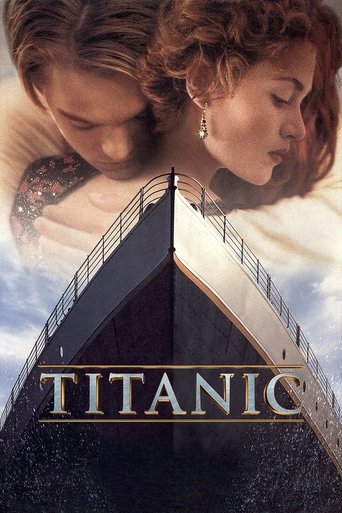
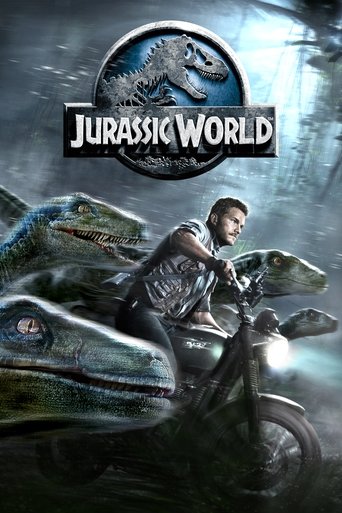
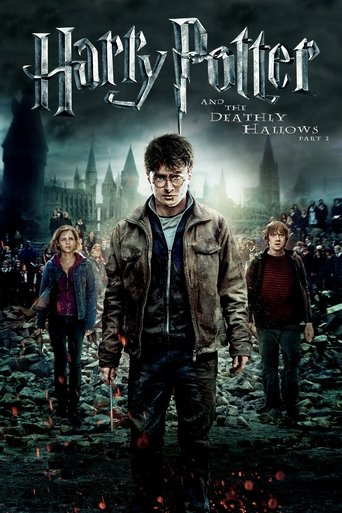
James Cameron has two of the three biggest earners of the guide: Avatar, 2009, made for $237 million, which took $2.92 billion, about ×12, and Titanic, 1997, the oldest film of the line, made for $200 million, which took $2.26 billion. Jurassic World, 2015, and Harry Potter and the Deathly Hallows: Part 2, 2011, rated 8.1, each earned about eleven times their budget.
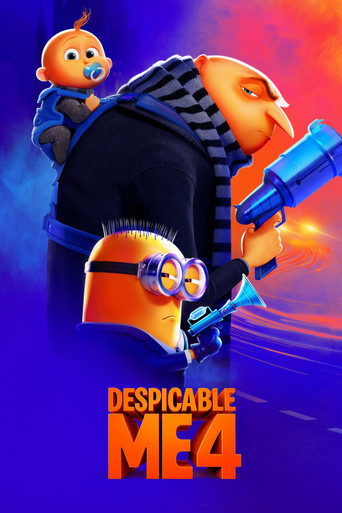
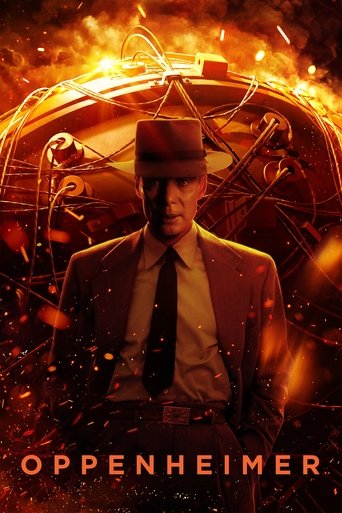
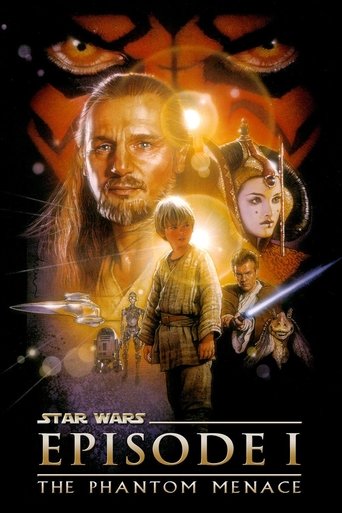
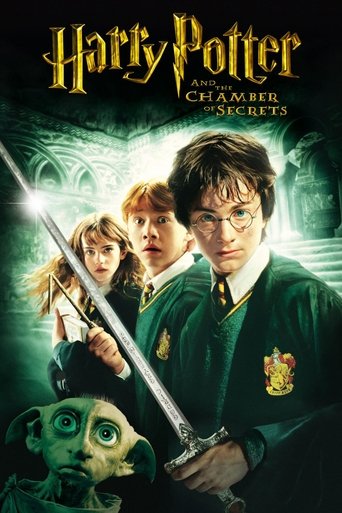
The summer of 2023 is here twice: Greta Gerwig's Barbie, made for $145 million, which took $1.45 billion, about ×10, and Christopher Nolan's Oppenheimer, rated 8.0, made for $100 million. Top Gun: Maverick, 2022, rated 8.2, the best rated film of the line, earned about nine times its budget. Frozen II, Despicable Me 4, Harry Potter and the Chamber of Secrets and Star Wars: Episode I - The Phantom Menace complete it.
14. $100 million and more: ×7.2 to ×8.5
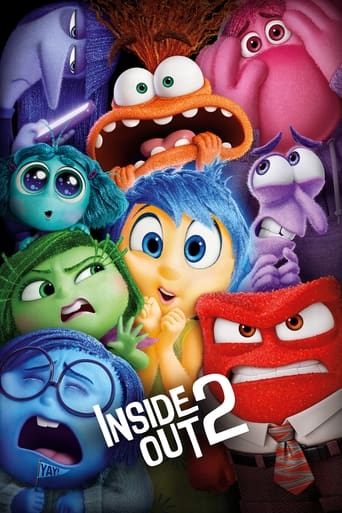
The second line of the blockbusters holds twelve films from 2001 to 2024, each of which earned between 7.2 and 8.5 times its budget. Two Disney films lead: Frozen, 2013, made for $150 million, which took $1.27 billion, and Pixar's Inside Out 2, 2024, the newest film of the line, made for $200 million, which took $1.70 billion.
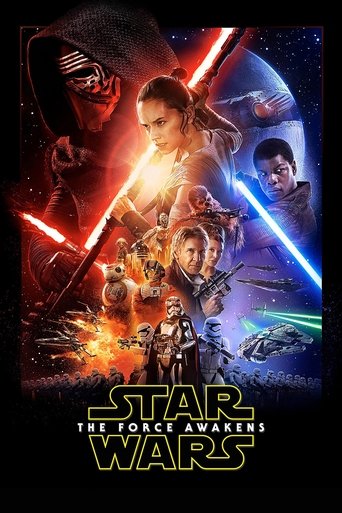
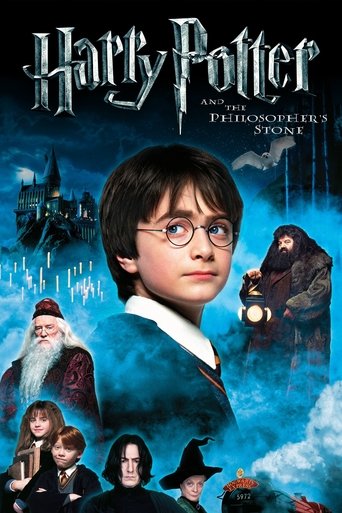
The most expensive film of the guide is here: Avengers: Endgame, 2019, recorded at $356 million, which took $2.94 billion, about ×8.3, and rated 8.2, the best rating of the line. Star Wars: The Force Awakens, 2015, made for $245 million, took $2.07 billion. Harry Potter and the Philosopher's Stone, 2001, the oldest film of the line, earned about eight times its budget.
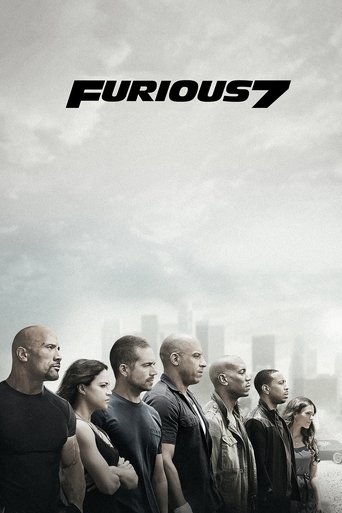
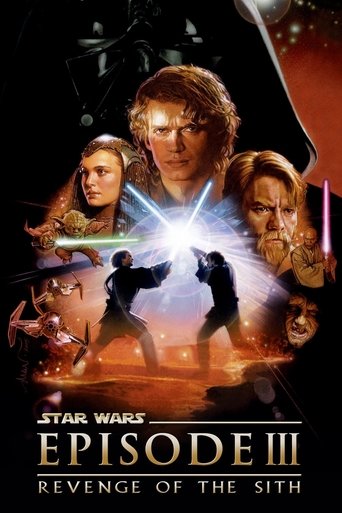
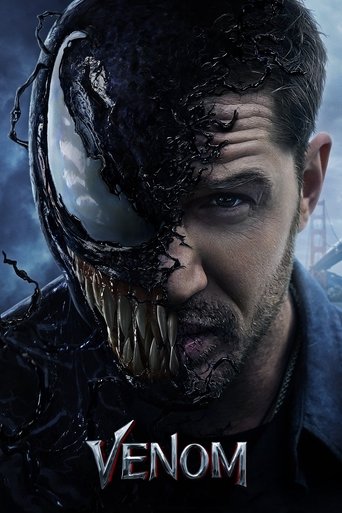
The rest of the line is a parade of franchises: Furious 7, 2015, the live-action Beauty and the Beast of 2017, Jurassic World: Fallen Kingdom, 2018, Star Wars: Episode III - Revenge of the Sith, 2005, and three comic-book films of 2018 and 2019, Captain Marvel, Venom and Aquaman.
15. $100 million and more: ×6.7 to ×7.1
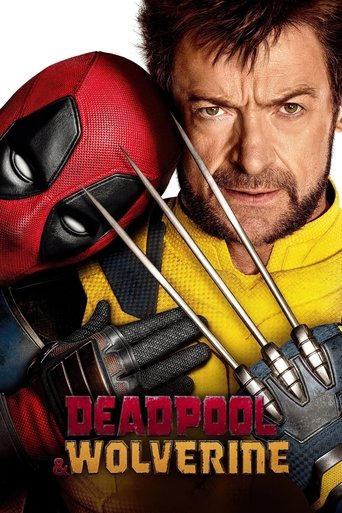
The third line of the blockbusters holds twelve films from 2012 to 2024, each of which earned between 6.7 and 7.1 times its budget, average rating 7.52, with three films rated 8.0 or more. It is the line of the comic-book film. Deadpool 2, 2018, made for $110 million, leads at about ×7.1, and Deadpool & Wolverine, 2024, made for $200 million, took $1.34 billion.
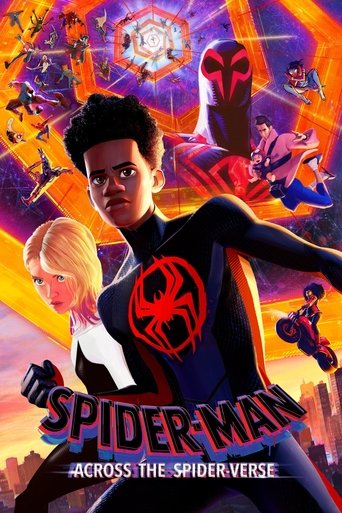
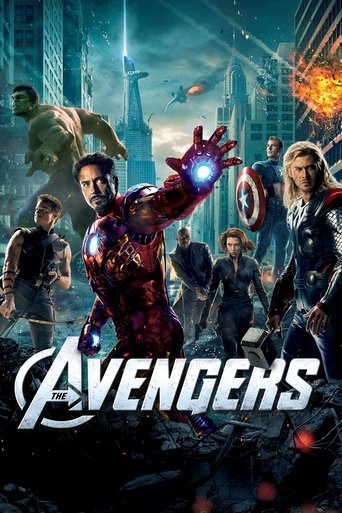
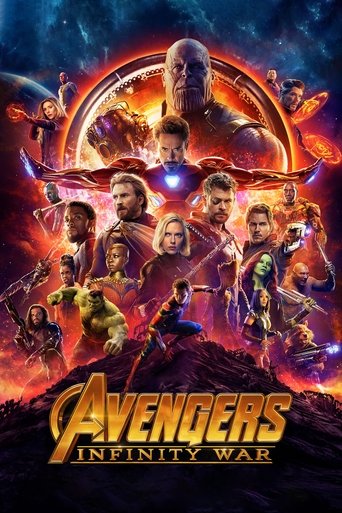
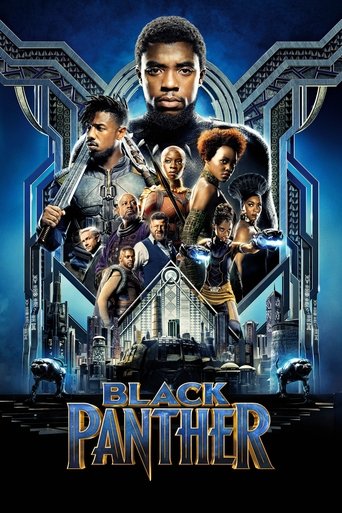
The best rated film of the line is the animated Spider-Man: Across the Spider-Verse, 2023, rated 8.3. Marvel's Avengers: Infinity War, 2018, rated 8.2, made for $300 million, took $2.05 billion, and Joss Whedon's The Avengers, 2012, rated 8.1, one of the two oldest films of the line, has the most votes of the whole guide, 40,156. Black Panther, 2018, and Spider-Man: Far From Home, 2019, complete the superheroes.
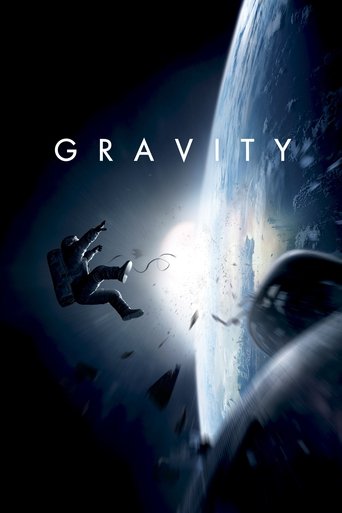
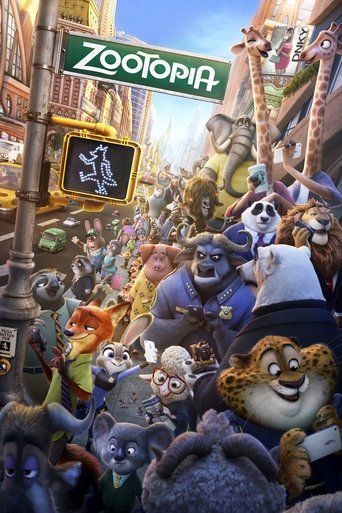
Alfonso Cuarón's Gravity, 2013, made for $105 million, took $723 million. Disney's Zootopia, 2016, rated 7.8, and Moana 2, 2024, sit here, and so do a Twilight film and a Hunger Games film, The Twilight Saga: Breaking Dawn - Part 2, 2012, and The Hunger Games: Catching Fire, 2013.
16. $100 million and more: ×6.0 to ×6.5
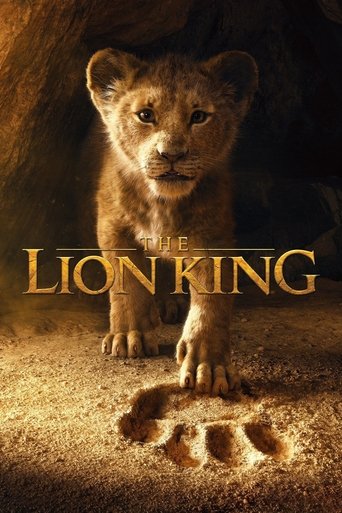
The last ledger line holds twelve films from 2004 to 2019, each of which earned between 6.0 and 6.5 times its budget. The Twilight Saga: Breaking Dawn - Part 1, 2011, leads at about ×6.5, followed by Jumanji: The Next Level, 2019, and Jon Favreau's The Lion King of 2019, the most expensive film of the line at $260 million, which took $1.66 billion.
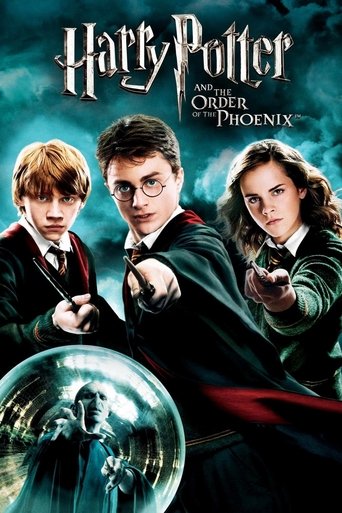
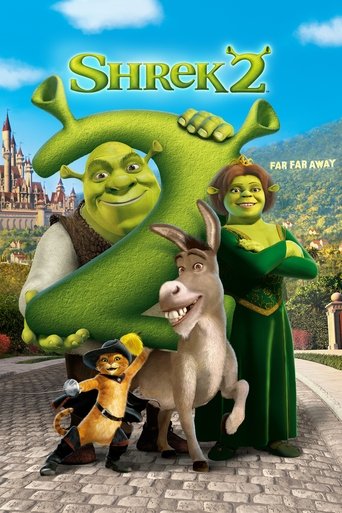
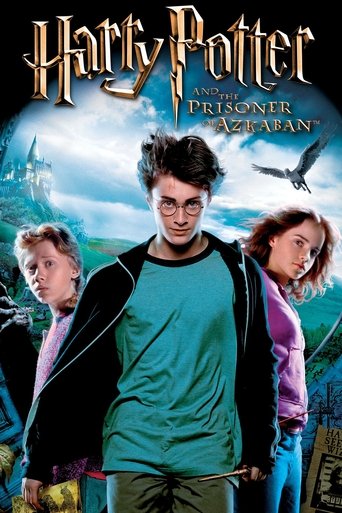
Two Harry Potter films sit here, and they are the best rated films of the line: Alfonso Cuarón's Harry Potter and the Prisoner of Azkaban, 2004, rated 8.0, and David Yates's Harry Potter and the Order of the Phoenix, 2007, rated 7.7. Prisoner of Azkaban is also the oldest film of the line, together with Shrek 2, 2004.
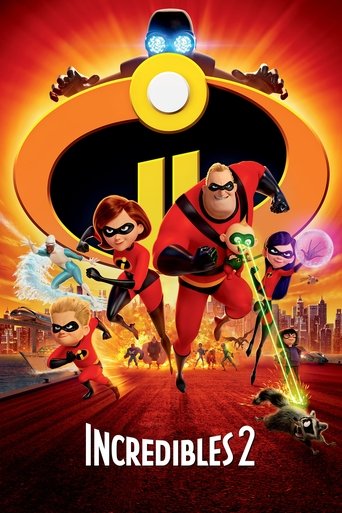
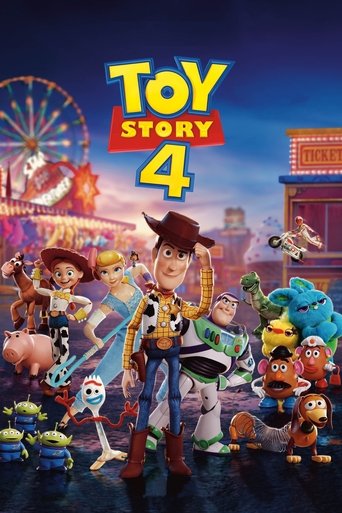
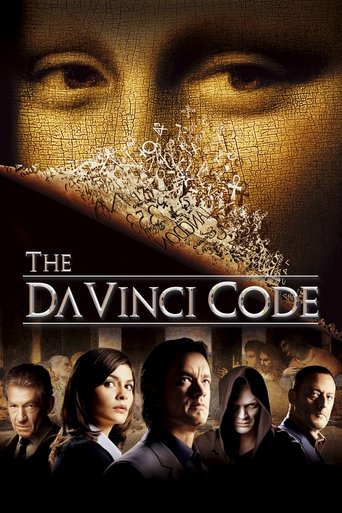
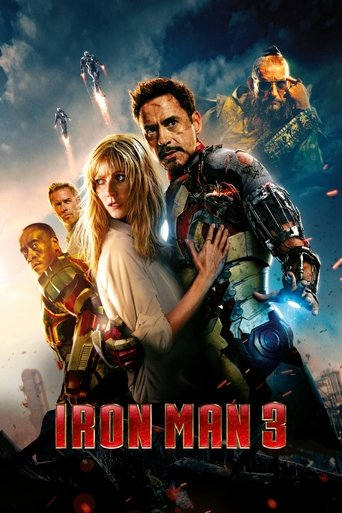
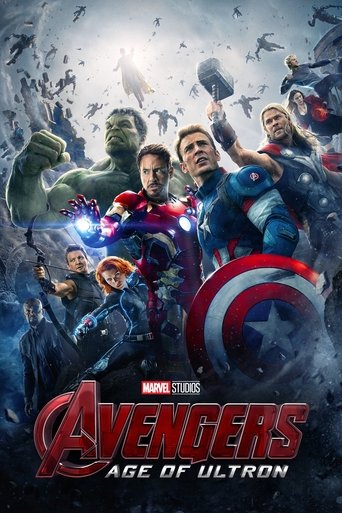
Pixar has two films here, Incredibles 2, 2018, and Toy Story 4, 2019, both rated 7.5. Ron Howard's The Da Vinci Code, 2006, Shane Black's Iron Man 3, 2013, The Hunger Games: Mockingjay - Part 1, 2014, and Joss Whedon's Avengers: Age of Ultron, 2015, complete the ledger. Even at the bottom of the last line, every film earned at least six times its budget.
The four classes side by side
The four budget classes tell four different stories. In the class under $10 million the multiples are wild, from 23 to 557, because a small film that finds a big audience can earn its budget back many dozens of times. Its 48 films run from 1938 to 2018, and nearly half of them, 23, were made before 1980.
The class of $10 to $40 million holds the modern classics, multiples from 16 to 76, with films such as E.T., Star Wars, Back to the Future, Home Alone and Parasite. The class of $40 to $100 million, multiples from 7.8 to 20, holds the most animation of the four, fourteen films, and all three Lord of the Rings films.
The class of $100 million and more holds the blockbusters of the twenty-first century, multiples from 6 to 14. Apart from Titanic, of 1997, all its 48 films were released from 1999 onwards, and it holds all four Avengers films of the guide, all five Harry Potter films and both films by James Cameron. Here a film has to earn more than a billion dollars to reach a multiple of ten.
The figures
BoxSweeper holds 192 films, from Snow White and the Seven Dwarfs of 1938 to the films of 2024, with an average rating of 7.32 and 2,217,797 votes on TMDB in all. 174 are in English; the others are eight Chinese films, four Japanese, three French, two Hindi and one Korean.
Added up, the 192 films were made for about $11.8 billion and took about $122 billion worldwide, a little more than ten times their total budget. Thirty-six of them took more than a billion dollars each. The biggest earners are Avengers: Endgame, $2.94 billion, Avatar, $2.92 billion, Titanic, $2.26 billion, Star Wars: The Force Awakens, $2.07 billion, and Avengers: Infinity War, $2.05 billion.
The best rated film is The Godfather, 8.7, followed by Forrest Gump, Pulp Fiction, Parasite, Your Name. and The Return of the King, all at 8.5. The most voted is The Avengers, 40,156 votes. The average film runs 119 minutes; the longest are Gone with the Wind, 238 minutes, The Return of the King, 201, and Titanic, 194, and the shortest is Bambi, 70 minutes.
The directors and stars who swept most often
Steven Spielberg appears more often than any other director: six films, in three classes. Jaws is in the cheapest class; E.T. and Raiders of the Lost Ark are in the second; Jurassic Park, The Lost World and Indiana Jones and the Last Crusade are in the third. E.T., at about 76 times its budget, is the best multiple of any Spielberg film here.
Chris Columbus and James Wan have five films each. Columbus directed both Home Alone films, Mrs. Doubtfire and the first two Harry Potter films; Wan directed The Conjuring, The Conjuring 2, Insidious: Chapter 2, Furious 7 and Aquaman, a path from cheap horror films to blockbusters. George Lucas has four films, from American Graffiti to two of the Star Wars prequels, and Makoto Shinkai three anime.
Among the actors, Emma Watson leads seven films: five Harry Potter films, the live-action Beauty and the Beast of 2017 and Greta Gerwig's Little Women. Robert Downey Jr. and Harrison Ford lead six films each: Downey with four Avengers films, Iron Man 3 and Oppenheimer, Ford with three Star Wars films, two Indiana Jones films and The Fugitive.
Horror on a budget
Horror is the genre that sweeps most cheaply. Eighteen horror films sit in the two cheaper classes of BoxSweeper, and only one, The Conjuring 2, in the two dearer ones. A scary film can be made with a small cast, one house and a few good ideas, and its audience comes back again and again.
In the class under $10 million there are Get Out, about ×57, Split and Lights Out, about ×30 and more, Saw II, Insidious: Chapter 2 and Happy Death Day. In the class of $10 to $40 million there are The Exorcist, about ×39, Halloween of 2018, The Conjuring, It, Annabelle: Creation, A Quiet Place, Fear Street: 1994, Insidious: The Last Key and Saw III.
James Wan is the master of the form here, with The Conjuring, The Conjuring 2 and Insidious: Chapter 2. David F. Sandberg directed two films of the guide, Lights Out and Annabelle: Creation, and Darren Lynn Bousman two of the Saw films. If you like your sums frightening, the horror films of the two cheaper classes are the place to start.
Cartoons that paid off
Animation is the genre that appears in every class of the guide. In the class under $10 million it means the Disney classics, whose revenue includes many re-releases: Snow White and the Seven Dwarfs, Pinocchio, Bambi, Cinderella, One Hundred and One Dalmatians, The Jungle Book and The Aristocats, along with Your Name. and Dragon Ball Super: Broly.
In the class of $10 to $40 million it means Aladdin, Beauty and the Beast, Ne Zha and two more films by Makoto Shinkai, Weathering with You and Suzume. The class of $40 to $100 million holds more animation than any other, fourteen films, among them The Lion King, Finding Nemo, Shrek, The Lego Movie, three Ice Age films, Despicable Me with its second and third films, and both Minions films.
The blockbusters have twelve animated films: Frozen and Frozen II, Inside Out 2, Moana 2, Zootopia, Incredibles 2, Toy Story 4, Shrek 2, Despicable Me 4, The Super Mario Bros. Movie and Spider-Man: Across the Spider-Verse, the best rated of them at 8.3, plus the photo-real Lion King of 2019, which TMDB counts as animation.
The series that kept sweeping
Many films of BoxSweeper belong to the same few series, and following a series through the ledger shows how its budgets grew while its multiples fell. Star Wars has six films here. The first, of 1977, made for $11 million, earned about 70 times its budget; The Empire Strikes Back about 30 times; Return of the Jedi about 18 times. The prequels, The Phantom Menace and Revenge of the Sith, earned about 9 and 7.5 times, and The Force Awakens, made for $245 million, about 8.4 times.
Harry Potter has five films, all in the blockbuster class, from Deathly Hallows: Part 2, about ×11, to Prisoner of Azkaban, about ×6.1. The Lord of the Rings has all three films in the third class, each earning between 9 and 12 times its budget. Jurassic Park runs from the first film, about ×17, through The Lost World, about ×8.5, to Jurassic World, about ×11, and Fallen Kingdom, about ×7.7.
Rocky has two films in the cheapest class, Home Alone two in the second, and Despicable Me and the Minions six in all across two classes. The Avengers have four films in the blockbuster class, each earning about six to eight times its budget.
World hits
The collection World hits gathers the eighteen films of the guide in languages other than English, with an average rating of 7.47. Eight are Chinese: Mr. Six, Ne Zha, Wolf Warrior 2, Hi, Mom, The Mermaid, The Wandering Earth II, Detective Chinatown 2 and Operation Red Sea. Seven of them took more than $500 million each.
Four are Japanese: Makoto Shinkai's Your Name., Weathering with You and Suzume, and Dragon Ball Super: Broly. Three are French: The Intouchables, Amélie and Welcome to the Sticks. Two are Hindi, Dangal and Secret Superstar, both with Aamir Khan, and one is Korean, Parasite.
The best rated of the eighteen are Parasite and Your Name., both 8.5, followed by The Intouchables, 8.3, and Weathering with You, 8.0. The biggest multiple belongs to Mr. Six, about ×557, the biggest of the whole guide.
How to use the ledger
The ledger at the top of the home page is the heart of BoxSweeper. It is a table of four columns, one for each budget class, from under $10 million on the left to $100 million and more on the right. Each column holds four ledger lines, from the biggest multiples at the top to the smallest at the bottom, and each line shows its budget class, its range of multiples in red and the number of films it holds.
Press a line to open it. The line page lists its twelve films from the biggest multiple to the smallest, and every card shows the multiple and the budget, the year, the rating on TMDB and the running time. Press a poster to open the film page, with its synopsis, cast, director and the Watch now button.
The menu at the top leads to the four budget classes, each a list of 48 films. The footer leads to Before 1960, World hits, Rated 7.5 or more, the A to Z list of all 192 films and the About page. On a phone the ledger folds into one or two columns, and the menu opens from the gold button in the corner.
The guide pages
BoxSweeper has sixteen help pages. Start with Start with BoxSweeper, which suggests one film from each budget class, and read The ledger for the idea behind the guide. How the sums work explains the figures and their limits, and The look of BoxSweeper describes the design.
Pages on the classes cover films under $10 million, $10 to $100 million and $100 million and more. Shorter pages cover the franchises, horror on a budget, animation, world hits and the directors.
The numbers of the guide are on The figures. Search tips explains how to find a film, My list how to keep films for later, and The Watch now button where each film can be seen.
The Watch now button and My list
Every film page of BoxSweeper has a Watch now button. It opens the film on JustWatch for the country you choose, where you can see which services offer it to stream, to rent or to buy. BoxSweeper is a guide: it points you to the places where each film is available legally.
A film page also shows the English synopsis, the year, the country, the genres, the running time, the TMDB rating and the number of votes, the director and the leading cast. It shows the ledger line the film belongs to, so you can go back and compare it with the films around it.
The My list button keeps a film for later. The list lives in your browser, on your device. It is a good way to plan a season of your own: the twelve films of one ledger line, or one film from each class, watched one evening at a time.
Search and the A to Z list
The search box sits in the header on every page. Type the start of a title, such as Rocky, Jaws or Joker, and the results appear as you type. Capital letters and accents make little difference: amelie finds Amélie.
Search also knows the directors and the leading cast of every film. Type Spielberg to find his six films, Stallone for the two Rocky films, or Watson for the seven films led by Emma Watson.
To see the whole guide at once, open the A to Z list from the footer. It lists all 192 films in alphabetical order, and it is the quickest way to check whether a film you have in mind is part of the ledger.
Questions and answers
Rated 7.5 or more, and before 1960
The collection Rated 7.5 or more gathers the 78 films of the guide that TMDB voters rate 7.5 or higher, best first, with an average of 7.92. Its strongest class is $10 to $40 million, with 29 films, followed by the blockbusters with 21, the class of $40 to $100 million with 17 and the cheapest class with 11. A modest budget and a high rating often go together.
The list opens with The Godfather, 8.7, and goes on with Forrest Gump, Pulp Fiction, Parasite, Your Name. and The Return of the King, all 8.5. The Empire Strikes Back and the other two Lord of the Rings films follow at 8.4, and Back to the Future, The Lion King, The Intouchables and Across the Spider-Verse at 8.3.
The collection Before 1960 holds the five oldest films of the guide: Snow White and the Seven Dwarfs, 1938, Gone with the Wind, 1939, Pinocchio, 1940, Bambi, 1942, and Cinderella, 1950. All five sit in the cheapest class, and four of them are Disney cartoons.
Box-office sweeps through the decades
The guide can also be read decade by decade. There are two films from the 1930s, two from the 1940s and one from the 1950s, all of them Disney cartoons except Gone with the Wind. The 1960s give four films, among them Goldfinger, The Sound of Music and The Jungle Book.
The 1970s, with sixteen films, are the decade of the small film that became a phenomenon: American Graffiti, The Godfather, The Exorcist, The Sting, Jaws, Rocky, Star Wars, Saturday Night Fever, Grease and Animal House. The 1980s, with nineteen, bring E.T., The Empire Strikes Back, Raiders of the Lost Ark, Back to the Future, Top Gun and Dirty Dancing.
The 1990s give 25 films and the 2000s 27, from Home Alone, Pretty Woman and Jurassic Park to Titanic, The Lord of the Rings and Harry Potter. The 2010s are the biggest decade by far, with 81 films, the age of the superhero blockbuster and of cheap horror hits. The 2020s give fifteen films so far, from Hi, Mom and Top Gun: Maverick to Barbie, Oppenheimer and Inside Out 2.
How to read a multiple
A multiple is easy to read but easy to misread. A film with ×10 took ten times its budget at cinemas around the world. That is a different thing from ten times the money for the studio: cinemas keep a large share of every ticket, and marketing can cost as much as the film itself. A multiple of two or three is often only enough to break even.
The multiples on BoxSweeper are best read as a ranking of surprise. Rocky at ×117 or Get Out at ×57 tell of small films that found a huge audience. Avatar at ×12 or Barbie at ×10 tell of big films that found an even bigger one. And the old Disney cartoons, at ×84 to ×312, tell of films that kept coming back to cinemas for decades.
When two films have similar multiples, look at the budget on the card. Joker and Mr. Six both earned many times their budget, but Joker did it on $55 million and Mr. Six on a recorded $250,000; the first is a sweep in the big leagues, the second a story of a tiny budget figure.
A ledger line for every evening
The ledger works as a menu too. For a night of classics, open the first line of the cheapest class and pick Rocky, American Graffiti or Gone with the Wind, or the third line for The Godfather and Goldfinger. For a night of family films, open the third class, where Finding Nemo, Shrek, The Lego Movie and the Despicable Me films all sit together.
For a night of horror, the two cheaper classes hold Get Out, Split, The Exorcist, The Conjuring and A Quiet Place. For a night of romance, look for Pretty Woman, Ghost, Notting Hill, Love Story and La La Land. For a night of spectacle, open the blockbusters: Avatar, Titanic, Top Gun: Maverick and the Avengers films.
And for a night of surprises, open World hits and choose a film you may have missed: the Chinese comedy Hi, Mom, the Indian wrestling drama Dangal, the French comedy Welcome to the Sticks or the Japanese anime Suzume. Each of them swept its own box office, and each of them earned many times its budget.
Questions
What is BoxSweeper
An English guide to 192 films ranked by worldwide revenue divided by budget, in four budget classes.
Where do the figures come from
From TMDB, where budget and revenue are entered by users; they are approximate.
Which film has the biggest multiple
Mr. Six, recorded at about 557 times its budget.
Which big blockbuster earned the most
Avengers: Endgame, about $2.94 billion.
Why do old cartoons rank so high
Their revenue usually includes many later re-releases.
Which film is rated highest
The Godfather, 8.7, made for $6 million.
Which director appears most often
Steven Spielberg, with six films.
Where can I watch a film
Press Watch now on the film page to see the services that offer it in your country.
Where is My list kept
In your browser, on your device.
Where does the design come from
It is original: the only pages at the name in the archive are tiny placeholders.
